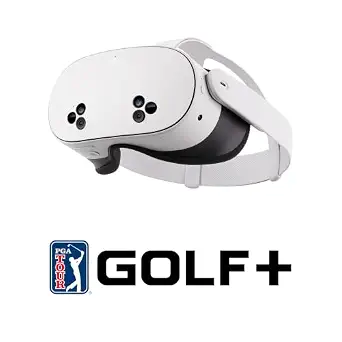
Meta Quest 3S 128GB | VR Headset
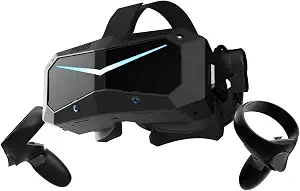
Pimax Crystal Super VR Headset
Best Vr Buying Guide — Black Friday Deals 2026
Choosing a VR headset starts with the setup and experience you want, not a sale banner. This shortlist spans a standalone option with 128 GB of storage, another with 512 GB, and a headset whose listed display resolution is a central point of distinction. Those facts help narrow the field, but they do not settle questions about comfort, software needs, or whether a particular offer suits you. For Black Friday, first decide which model and configuration make sense at the listed terms you can verify. Then check that the live listing shows the same variant and package you considered; do not let an offer headline replace your priorities.
Meta Quest 3S 128GB | VR Headset
If you want a standalone VR headset and prefer to keep the storage choice straightforward, this 128 GB model is the Best Budget pick in this guide. The label reflects its place among these three options, not a price comparison or a claim about the wider market. Its listed VR operating platform compatibility is Standalone, and the operating system is Oculus OS. Those details make it a useful candidate to investigate when you want a headset described as standalone rather than one whose listed connector is DisplayPort and USB. Before purchasing, still check the current listing for the setup details and requirements relevant to your intended use.
Storage is 128 GB, so consider what you expect to keep on the headset and how you prefer to manage content. The capacity alone cannot tell you how much room a particular library will use or whether your habits will require more space. If you expect to rotate what you use, think about whether that routine feels acceptable; if you want more listed storage, compare it with the 512 GB option below and verify the exact variant. The decision is personal, not a guarantee about how many titles fit.
The display specifications include a maximum resolution of 1832 x 1920 per Eye and a field of view of 110 degrees. Treat those as distinct reference points: resolution describes the listed display detail, while field of view is another characteristic to consider when comparing headset specifications. The provided facts do not establish how either will feel to you in a particular app or session, so avoid treating one figure as a complete measure of the experience.
Average battery life is listed as 2.5 hours. Use that as planning information, not a promise that every session will last that long; your actual routine and use may differ. If you often plan longer stretches, think about breaks and check the listing for any additional details that matter to your setup. For Black Friday, confirm that the offer is for this 128 GB version and compare its complete terms with your shortlist. Choose it for its standalone compatibility and stated configuration, not because a promotion is assumed.
Key specs
| Storage | Memory Storage Capacity 128 GB |
| Operating system | Operating System Oculus OS |
| Field of view | Field Of View 110 degrees |
| Battery life | Battery Average Life 2.5 hours |
| Display resolution | Display Maximum Resolution 1832 x 1920 per Eye |
| Platform | VR Operating Platform Compatibility Standalone |
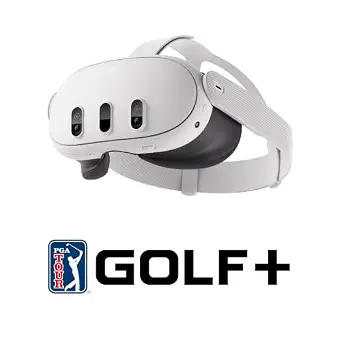
Meta Quest 3 512GB
This is the guide’s Best Overall choice for shoppers whose priorities include a 512 GB capacity and the listed display specifications. That editorial label is a selection among the featured products, not the result of testing or a market-wide award. A larger stated capacity may suit someone who wants more storage headroom than the 128 GB option provides, but the right amount depends on personal content plans. The storage figure does not establish how much space any particular library will use, so consider how you expect to manage what you keep available.
The display resolution is listed as 2064×2208 pixels per eye, and the refresh rate is 120 hertz. These describe different aspects of the display specification; decide which details matter to your preferences rather than treating either as a complete verdict on visual experience. The supplied facts do not say how a specific application will perform or feel. If you are comparing listings during Black Friday, make sure the display and storage details belong to the exact version shown in the offer.
Battery average life is listed as 2.2 hours. Regard that as a planning reference rather than a guaranteed session length. If your usual play or viewing time is shorter, it may be less central to your decision; if you plan longer sessions, think about how breaks fit your routine and verify any other battery information on the listing. Do not assume that a stated average predicts your own use.
The listed connector type is USB Type C, and the package details include 2 Meta Quest Touch Plus Controllers with AA batteries included. Those included items can help you compare what the listing says comes with the headset, but confirm the package contents on the live offer rather than relying on a headline or a different variant’s details. For Black Friday, this combination of storage, display figures, connector, and included controllers gives you several concrete points to check. It earns the Best Overall label here because it offers a balanced set of stated details to weigh; it is not automatically the right fit for every shopper.
Key specs
| Storage | 512 GB |
| Display resolution | Resolution 2064×2208 pixels per eye |
| Refresh rate | Display Refresh Rate in Hertz 120 |
| Battery life | Battery Average Life 2.2 hours |
| Connection | Connector Type USB Type C |
| Included controllers | 2 Meta Quest Touch Plus Controllers (with AA batteries included) |
Pimax Crystal Super VR Headset
Check Price on Amazon
For shoppers who put the display resolution at the center of their shortlist, this headset is the Best for resolution-focused shoppers. That label is based on the provided specification, not on a performance test or a claim that every buyer will prefer it. Its listed resolution is 3840×3840 per eye, alongside a QLED display. If those are the details you want to prioritize, they give you a clear reason to examine the listing closely and compare the exact configuration with your other candidates.
The field of view is listed as 140 degrees, and the refresh rate is 90 hertz. Keep those specifications separate when deciding what matters: the field-of-view figure and refresh-rate figure describe different comparison points, and neither alone establishes how an experience will look or feel. Think about which information answers your own questions, then look for further product or software details in the live listing if they are important to your decision.
The connection is listed as DisplayPort and USB. That makes the connection details an especially important part of your shopping check: confirm what the exact listing says about the setup you intend to use, and do not assume compatibility with equipment that is not identified in the provided facts. Inside-out tracking and eye tracking are also listed. These features may be relevant to shoppers comparing tracking specifications, but the facts do not describe their behavior in particular applications or establish how they compare in use with another headset.
This is the option to investigate when resolution, display type, and the specified tracking features are your priorities, rather than when you are choosing solely by storage or battery figures; those details are not provided here. During Black Friday, check that the offer names this exact headset and that its connection and package information match what you need. Compare the complete terms against your shortlist, and seek clarification from the listing wherever your setup questions remain. The Best for resolution-focused shoppers label is a useful starting point, not a substitute for verifying those practical details.
Key specs
| Resolution | 3840×3840 per eye |
| Field of view | Field Of View 140 degrees |
| Display | Display Type QLED |
| Refresh rate | Display Refresh Rate in Hertz 90 |
| Connection | Connector Type DisplayPort, USB |
| Tracking | Sensor Technology inside-out tracking |
| Eye tracking | Eye Tracking |
Start with where and how you plan to use VR
Before comparing display figures, decide what kind of setup you are prepared to support. One product here is explicitly listed as Standalone for VR operating platform compatibility. Another lists DisplayPort and USB as its connection types. Those are useful distinctions to carry into your research, but they do not answer every question about required equipment, software, or compatibility. Check the exact product listing for the setup information you need instead of assuming that a connector description guarantees support for your particular devices.
Make the decision concrete by picturing an ordinary session. Will you use the headset in a space where you want a standalone configuration, or are you already planning around a setup where DisplayPort and USB are relevant? The supplied facts do not establish which environment you have, so treat this as a question for your own situation. If you are unsure, write down what equipment and setup information you need to confirm before shopping.
This is also a good point to separate essential requirements from preferences. A connection detail or platform description may decide whether a candidate belongs on your list at all; a display preference may help choose among candidates that remain. During Black Friday, settle those questions before comparing offer headlines. That way, a listing with appealing terms does not pull you toward a configuration you have not verified for your intended setup.
Read display specifications as separate signals
Resolution, field of view, display type, and refresh rate are not interchangeable descriptions. The listed resolution figures give you a way to compare the stated per-eye display detail, while field of view and refresh rate are separate specification categories. The QLED description identifies a display type. Keep each fact in its own column when you compare products; combining them into a single winner would go beyond what these specifications establish.
For a useful shortlist, choose the display questions that matter most to you. If your focus is the stated resolution, the Pimax Crystal Super is the guide’s Best for resolution-focused shoppers choice. If you are considering the Meta Quest 3, its listing supplies both a resolution and a refresh rate. The Meta Quest 3S listing supplies a resolution and field of view. These differences tell you what information is available to compare, not how you will personally perceive a headset.
Avoid reading one number as a complete prediction of quality or compatibility. The provided records do not describe app-specific performance, visual comfort, or how the specifications translate into every experience. During Black Friday, first confirm the exact model and variant, then check that the listing still shows the display details you meant to compare. If a display characteristic is important but not stated in the facts here, look for reliable clarification before making it a deciding assumption.
Make storage a reflection of your content habits
The listed capacities in this group are 128 GB and 512 GB. Those figures make storage an easy way to distinguish two candidates, but they do not reveal how many applications, games, or other files will fit. Actual space needs depend on content and how you manage it, details not supplied here. Rather than treating a higher capacity as automatically necessary, ask how much you want to keep available and whether you are comfortable managing that collection.
A shopper who expects to maintain a smaller selection may consider whether 128 GB matches that plan. Someone who prefers a larger stated capacity may put the 512 GB model on the shortlist. Neither example guarantees a particular experience or tells you what your library will require. If you are uncertain, check the product listing for information that helps answer your storage questions, and keep the capacity attached to the exact model rather than mixing variant details.
Black Friday can make it tempting to focus on an offer before resolving this question. Instead, decide which capacity you actually want to compare, then make sure the live offer names that version. A product page can include variants, so check the selected configuration and its listed storage before judging whether the terms suit you. Storage is one part of the decision, alongside setup, display preferences, and any included items that matter to your plans.
Plan sessions using the battery information provided
Two headsets list average battery life: 2.5 hours for the Meta Quest 3S and 2.2 hours for the Meta Quest 3. Those are the stated average figures, not guarantees for every owner, activity, or session. Use them to ask whether the listed information fits the way you expect to use a headset, while leaving room for variation. The Pimax facts provided here do not state a battery-life figure, so do not infer one either way.
Think about your routine rather than assuming that a specification dictates it. If you plan shorter sessions, average battery life may be less decisive than the setup or display details you care about. If you anticipate spending longer at a time in VR, consider how you would schedule breaks and seek any additional battery information you need from the exact listing. Avoid assuming that another product’s battery figure applies to a different model.
When comparing Black Friday offers, preserve that distinction. A headline may emphasize a configuration, but the battery detail belongs to the model for which it is listed. Confirm the selected product and variant, and do not treat an average as a promised duration. Session planning is one practical consideration among several; it should help you decide whether to investigate further, not override a setup requirement or an important storage preference.
Black Friday checks for the listing you intend to buy
After narrowing your shortlist, use Black Friday as a chance to verify the exact offer rather than to rewrite your priorities. Confirm the model name and selected variant, especially where storage capacity is part of your choice. Check that the page describes the features you relied on: for example, the stated connection, display details, or platform compatibility. A general promotion headline cannot establish that the selected configuration matches the one you researched.
Review package information separately from the headset specifications. The Meta Quest 3 listing states that it includes 2 Meta Quest Touch Plus Controllers with AA batteries included. Do not assume that package details carry over to another product or variant. If an included item matters to your decision, verify it in the live listing for the offer you are considering. Likewise, check any setup or requirements information that affects your intended use rather than guessing from a connector alone.
Finally, compare the complete offer terms as shown, without assuming a discount, availability, or special condition that has not been verified. A useful Black Friday comparison asks whether the listed model, capacity, package, and setup fit your preselected needs. If any critical detail is unclear, pause and seek clarification. The best choice is the one whose verified configuration makes sense for you, not simply the one with the most prominent offer wording.
Make your Black Friday choice
The strongest VR shortlist is the one built around your setup, storage plans, display priorities, and session routine. The standalone-compatible 128 GB option, the 512 GB model with its stated display and included controllers, and the resolution-focused Pimax each offer different facts to weigh. None of those details alone settles personal fit. For Black Friday, verify the exact model, variant, package, and offer terms before deciding. If a point your setup depends on is unclear, confirm it rather than filling the gap with an assumption.