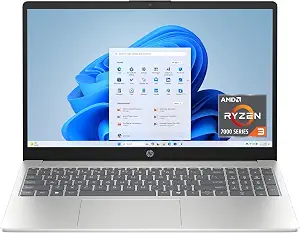
HP 15.6 inch Laptop, HD Touchscreen Display, AMD Ryzen 3 7320U, 8 GB RAM, 256 GB SSD, AMD Radeon Graphics, Windows 11 Home, Natural Silver, 15-fc0399nr
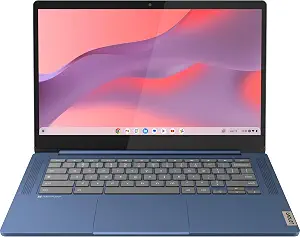
Lenovo Flagship Chromebook, 14'' FHD Touchscreen
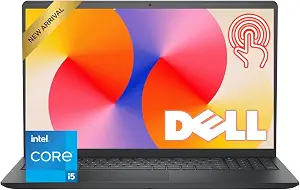
Dell 15.6" FHD Touchscreen Laptop
Best Touchscreen Laptop Buying Guide — Black Friday Deals 2026
A touchscreen can make a laptop easier to navigate, but the right choice depends on what you want to do with it and which other details matter in your routine. This shortlist spans Windows laptops with different screen and storage configurations, plus a Chrome OS option with a Full HD touchscreen. For Black Friday, treat the advertised deal as a reason to inspect a candidate, not as a substitute for checking its exact model and configuration. Start by asking which operating system, screen details, memory and storage fit your plans; then compare the live offer against those priorities.
HP 15.6 inch Laptop, HD Touchscreen Display, AMD Ryzen 3 7320U, 8 GB RAM, 256 GB SSD, AMD Radeon Graphics, Windows 11 Home, Natural Silver, 15-fc0399nr
Check Price on Amazon
The HP 15.6 inch Laptop is the Best Overall pick in this guide for shoppers who want a Windows 11 Home touchscreen laptop with a stated balance of processor, memory and solid-state storage details. Its AMD Ryzen 3 7320U processor has four cores and eight threads, with a maximum boost clock of up to 4.1 GHz. Those specifications give shoppers useful points to consider when matching a laptop to everyday tasks such as organizing documents, browsing and handling routine school or home work. They are not a promise about performance in every workload, so think about the applications you expect to use.
The listed configuration includes 8 GB of onboard LPDDR5-5500 memory and a 256 GB PCIe NVMe M.2 SSD. Before choosing it, estimate how many applications you tend to keep open and how much space you want available for files installed locally. These are separate questions: memory and storage serve different roles, and the stated capacities may or may not match your own habits. The display is described in the product name as an HD touchscreen. If touch is a practical way for you to select items or navigate, consider whether that screen description also meets your expectations for viewing and detail.
The HP runs Windows 11 Home and lists Realtek Wi-Fi 6 (2×2) and Bluetooth 5.3 wireless connectivity. Its stated weight is 3.5 pounds, a detail to weigh against how often you expect to carry it. For Black Friday, check that the offer is for this exact HP model and that the processor, memory, SSD, operating system and display description match the configuration you intend to buy. The Best Overall label is an editorial choice among the three products here, not a test result or a claim that it suits every shopper. Consider it when these particular specifications align with your priorities.
Key specs
| Processor | AMD Ryzen 3 7320U (up to 4.1 GHz max boost clock, 4 MB L3 cache, 4 cores, 8 threads) |
| Memory | 8 GB LPDDR5-5500 MT/s (onboard) |
| Storage | 256 GB PCIe NVMe M.2 SSD |
| Operating system | Windows 11 Home |
| Wireless connectivity | Realtek Wi-Fi 6 (2×2) and Bluetooth 5.3 wireless card (supporting gigabit data rate) |
| Weight | 3.5 pounds |
Lenovo Flagship Chromebook, 14'' FHD Touchscreen
The Lenovo Flagship Chromebook is the Best Budget choice in this shortlist for shoppers considering Chrome OS and a 14-inch Full HD touchscreen. Its MediaTek Kompanio 520 processor is listed as an octa-core chip, with four A73 cores and four A53 cores, each at 2.0GHz. Rather than choosing by processor name alone, ask whether Chrome OS fits the software and online services you plan to use. The operating system is Google Chrome OS, which makes this model a different kind of option from the Windows laptops in the guide.
The stated configuration has 4GB RAM and 64GB eMMC storage. Treat those capacities as practical questions to check against your own routine: think about the applications and browser tabs you expect to use, as well as whether you plan to keep files on the laptop. A 14-inch Full HD touchscreen may suit someone who wants touch input on a more compact screen than the 15.6-inch options listed here, but the best fit depends on your preferred viewing space and how you work. No single screen size is right for every desk, bag or task.
Lenovo lists Wi-Fi 6, 11ax 2×2, Bluetooth 5.1 and battery life of 13.5 hours. Consider those stated details alongside your usual wireless needs and how long you want to use a laptop between charging opportunities; battery life can depend on how a device is used, so avoid treating the figure as a personal-use guarantee. During Black Friday shopping, verify that a listing is for this Lenovo Chromebook and retains its 14-inch Full HD touchscreen, 4GB RAM, 64GB eMMC and Chrome OS details. The Best Budget label is an editorial designation among these choices, not a price claim or measured verdict.
Key specs
| Display | 14" Full HD Touchscreen |
| Processor | MediaTek Kompanio 520 processor (Octa-Core, 4x A73 @2.0GHz + 4x A53 @2.0GHz). |
| Memory and storage | 4GB RAM + 64GB eMMC |
| Operating system | Google Chrome OS |
| Wireless | Wi-Fi 6, 11ax 2×2 + Bluetooth 5.1 combo |
| Battery life | 13.5 hours |
Dell 15.6" FHD Touchscreen Laptop
Check Price on Amazon
The Dell 15.6-inch FHD Touchscreen Laptop earns the Best for a 120Hz touchscreen display label because its listed screen combines a 120Hz refresh rate with Full HD resolution, an IPS panel and an anti-glare finish. That label calls attention to a stated display feature; it does not mean the screen is automatically the right fit for every use. If you are comparing screens, decide which details you value and check that the exact listing describes the same combination. The large-screen format may appeal if you prefer more display area, while your preferred balance of screen and portability remains a personal decision.
This Dell is listed with a 13th Gen Intel Core i5-1334U processor, 8GB DDR4 RAM and a 512GB SSD. Think about the applications you expect to run and how much local file space you want before deciding whether those capacities suit you. A processor family or storage figure alone does not establish how well a particular setup will match every task. The laptop runs Windows 11 Home, so shoppers can compare it with the HP on platform while also considering their distinct screen, processor and storage specifications.
The listing also specifies an FHD 1080p webcam and up to 9 hours of battery life. These details can help narrow a shortlist if video calls or the stated battery-life figure matter to your decision, but consider how your own use may differ from the conditions behind a battery estimate. For Black Friday, confirm the offer is for this Dell model and check the display refresh rate, panel, anti-glare finish, memory, SSD, operating system and webcam in the exact configuration. The editorial Best for a 120Hz touchscreen display label highlights its stated screen specification, rather than claiming a measured advantage.
Key specs
| Processor | 13th Gen Intel Core i5-1334U processor with 10 cores and speeds up to 4.60GHz |
| Memory | 8GB DDR4 RAM |
| Storage | 512GB SSD |
| Display | 15.6-inch Full HD touchscreen with a 120Hz refresh rate, IPS panel, and anti-glare finish |
| Operating system | Windows 11 Home |
| Webcam | FHD 1080p webcam |
| Battery life | up to 9 hours of battery life |
Decide where fingertip input belongs
Before comparing prices, name a task in which touch would change how you use a laptop. You might want to tap through menus, select an item directly or move around a page without reaching for a pointer every time. Those are possible reasons to value a touchscreen, not guarantees about how a particular person will work. If you rarely picture using your finger on the display, give more weight to the operating system, screen characteristics and capacity that influence your everyday choices.
Then ask what you need from the screen beyond touch. The HP is described as having an HD touchscreen; the Lenovo offers a 14-inch Full HD touchscreen; and the Dell lists a 15.6-inch Full HD touchscreen with a 120Hz refresh rate, IPS panel and anti-glare finish. These are different sets of stated details, so decide which matter to you rather than treating the word touchscreen as a complete description. Consider your usual viewing distance, how much screen space feels comfortable and whether the listed resolution and other screen features fit your preferences.
Black Friday can put multiple screen configurations in front of you at once, making a short personal checklist useful. Write down what you want touch to help with and the screen details you consider essential. When an offer catches your eye, compare those requirements to the exact model’s stated display information. If a detail is not clear in the offer you are viewing, verify it before deciding rather than assuming that another laptop in the same family has an identical screen.
Choose an operating system by your planned routine
The most important early choice may be Windows 11 Home or Chrome OS, not the processor label. The HP and Dell both list Windows 11 Home, while the Lenovo lists Google Chrome OS. Think about the software, services and working habits you expect to rely on, and choose the environment that makes sense for those plans. The product facts here do not identify compatibility with particular applications, so check any essential software requirements independently before settling on a model.
If you already have a preferred way of working, use it to guide the comparison. Consider whether your tasks center on browser-based activity, locally installed applications or a mix, and investigate the requirements of the specific tools you need. Do not assume the same workflow will feel identical across operating systems. The Lenovo’s processor and its 4GB RAM plus 64GB eMMC configuration are listed alongside Chrome OS; the HP and Dell are Windows choices with their own configurations. Compare each whole setup against your intended use rather than declaring one platform universally better.
During Black Friday browsing, watch for a listing whose title resembles the model you researched but whose configuration may differ. Confirm the operating system and model name on the offer you plan to purchase, then review the rest of the specifications. If you are buying for another person, ask which software environment they already expect to use. That conversation can prevent a tempting screen feature or deal label from distracting from a basic fit question: will the laptop’s listed platform support the person’s planned routine?
Separate application headroom from file room
Memory and storage are easy to conflate when a listing places them next to each other, but they answer different planning questions. Memory is one part of the configuration to consider for the applications and activity you expect to have open. Storage is the stated space for files and other locally stored content. Begin with your own habits: note the kinds of work you do, how many tasks tend to overlap and whether you expect to keep a large collection of files on the laptop.
The HP lists 8 GB onboard LPDDR5-5500 memory and a 256 GB PCIe NVMe M.2 SSD. The Lenovo lists 4GB RAM and 64GB eMMC. The Dell lists 8GB DDR4 RAM and a 512GB SSD. Those figures can help you distinguish the configurations, but they do not by themselves predict your experience across every app or file collection. Match each capacity to your own needs, and look for information about the exact configuration if a particular application or storage requirement is important to you.
A Black Friday offer is worth comparing only if the included capacities still fit your plan. Before checkout, confirm both the memory and storage details rather than relying on a short product name or an image. If you keep most work in a particular location or have a clear estimate of local file needs, use that as a decision point. If you are unsure, pause to work out what you will store and which tasks you expect to run; a deal label cannot answer those personal questions.
Compare the screen as a collection of details
Screen size, resolution and other listed features can shape whether a laptop feels suitable for your workspace. The Lenovo’s stated display is 14-inch Full HD touchscreen, while the HP name identifies an HD touchscreen and the Dell lists a 15.6-inch Full HD touchscreen. Consider whether you want a compact display or a larger viewing area, and check the resolution description instead of assuming that all touchscreens provide the same view. The right choice depends on your visual preferences and the kinds of content you expect to view.
The Dell adds a 120Hz refresh rate, IPS panel and anti-glare finish in its display specification. These are specific details shoppers can compare against their preferences; they do not establish that every person will notice or value them equally. If one feature is important, make it a deliberate requirement and ensure the exact listing includes it. For the HP, remember that the supplied display detail is HD touchscreen, so avoid presuming additional screen characteristics that are not stated in the product information.
Black Friday product pages can emphasize a single feature, but a shortlist should record the whole screen description you care about. Note the size and resolution wording, then add any other listed attributes that matter. Check those details on the actual offer before choosing. If two candidates both meet your main screen needs, use their operating systems, memory, storage or other stated specifications to make the next comparison rather than assuming that touch alone settles the decision.
Use secondary specifications to settle close choices
When two laptops seem close, details beyond the screen may help you decide. The HP lists Wi-Fi 6 (2×2), Bluetooth 5.3 and a weight of 3.5 pounds. Lenovo lists Wi-Fi 6, 11ax 2×2, Bluetooth 5.1 and battery life of 13.5 hours. Dell specifies an FHD 1080p webcam and up to 9 hours of battery life. These details differ in what they tell you, so compare only the ones that matter to your routine rather than forcing every specification into a single ranking.
Ask practical questions: is wireless connectivity a priority where you plan to use the laptop? Does a listed webcam detail matter for your calls? Would the HP’s stated weight influence how you plan to carry it? How do you want to interpret a battery-life figure alongside your own expectations? The product information does not establish how a device will perform under every individual set of conditions. Treat stated battery-life figures as specifications to consider, not guarantees of the same result in all use.
For Black Friday, write down the exact model and the specifications that tipped your decision. Then compare the offer against that list, including platform, memory, storage and the details you shortlisted as tie-breakers. Do not infer that a feature is included simply because it appeared on a similar model page. If an essential detail is ambiguous, seek clarification on the exact offer before buying. This final check keeps a seasonal promotion in perspective: the useful question is whether the listed configuration suits you.
Make your Black Friday choice
A good touchscreen laptop choice starts with your routine, then narrows through platform, screen, memory and storage. The HP, Lenovo and Dell each present a different set of stated specifications, so the editorial labels are starting points rather than substitutes for your own checklist. As Black Friday offers appear, verify the exact model and configuration before comparing the offer with your priorities. Choose the laptop whose listed details fit the work and screen experience you want, not simply the one with the most prominent deal language.