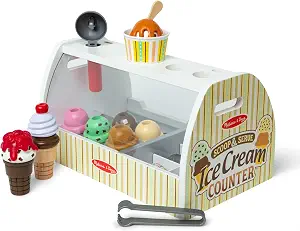
Melissa & Doug Wooden Scoop & Serve Ice Cream Counter
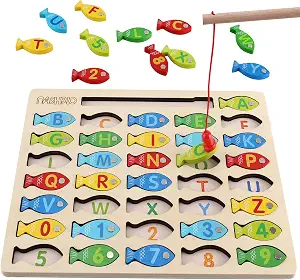
Magnetic Wooden Fishing Game Toy for Preschoolers
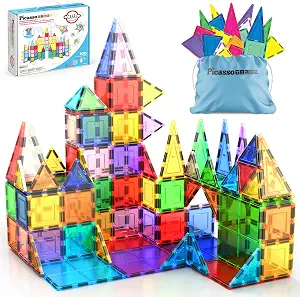
PicassoTiles 100 Piece Magnetic Tiles, Clear 3D Building Blocks for Kids 3+
Best Preschool Toy Buying Guide — Black Friday Deals 2026
Preschool toys can invite very different kinds of play: serving pretend treats, guiding a fishing game, or building with pieces that can be rearranged. Start by asking which invitation is most likely to suit the child and the space where play happens. Then check the age guidance, materials, dimensions and listed contents for that particular set. This Black Friday, compare the exact item and variant shown in the offer rather than assuming a seasonal listing represents a different or better package. The guide below considers what each toy puts on the table, what kind of play it suggests, and which household questions are worth settling before you buy.
Melissa & Doug Wooden Scoop & Serve Ice Cream Counter
Check Price on Amazon
For a preschooler drawn to pretend shops, this wooden ice cream counter offers a defined starting point: take an order, choose a treat and serve it. The 28-piece set includes the wooden counter, 8 scoops, 6 toppings, 2 cones, a cup, scooper, tongs, spoon, reusable menu card and 6 bills. That assortment gives a child several props to bring into a serving scenario, while the menu card and bills can help make the shop premise easy to act out. The Best Overall label here reflects that combination of a clear role-play setup and a substantial, specifically listed assortment; it is an editorial pick among these featured products, not a measured ranking.
The counter has special ports to hold all the treats, and it also doubles as a toy storage box. Those details may matter to families deciding whether a playset needs a defined place for its pieces between sessions. Its dimensions are 13.43 x 7.72 x 8.7 inches, so consider where it could sit during play and where it could be put away. Because the set centers on serving ice cream, it is a more directed imaginative-play choice than a collection intended for open-ended construction. That focus can be appealing if a shop or food-serving story is a familiar invitation at home; consider whether the child is interested in that premise before choosing it.
The stated age range is 36 months – 6 years, and the material is wood. Use both details as part of your fit check, alongside the listed dimensions and components, rather than treating age alone as a complete decision. For Black Friday, inspect the live offer to confirm it names this counter and describes the same set contents; do not assume a seasonal price presentation changes what is included. If the offer does not make the item or package clear, compare the product details before deciding. This is the strongest fit in this selection when you want a role-play set with serving props and a counter that has a stated storage function.
Key specs
| Included components | 28‑piece set: wooden ice cream counter, 8 scoops, 6 toppings, 2 cones, cup, scooper, tongs, spoon, reusable menu card, 6 bills |
| Age range | 36 months – 6 years |
| Material | Wood |
| Dimensions | 13.43 x 7.72 x 8.7 inches |
| Countertop features | special ports to hold all their treats |
| Storage | also doubles as a toy storage box |
Magnetic Wooden Fishing Game Toy for Preschoolers
Check Price on Amazon
A tabletop fishing game gives play a simple goal: guide the game into a fishing scenario and select from colorful fish pieces marked with different letters and numbers. The listing describes it as a magnetic wooden fishing game toy for preschoolers, with wood as its material. It is designed for one player, uses manual operation and is listed for indoor use. These details make it a distinct option for a child who likes a tabletop activity with a clear game premise, rather than pretend serving or building. The Best Budget label is an editorial designation among the products in this guide, not a claim about a sale price or a comparison of market prices.
The letters and numbers on the fish can give a caregiver and child a natural topic for naming, sorting or choosing pieces during play, without requiring the activity to become a lesson. The provided facts do not specify additional rules, so shoppers should avoid assuming a particular scoring system or game sequence. Its tabletop play location and indoor-use listing help frame where it fits into a household routine: consider whether there is a suitable surface available and whether the child enjoys playing an activity independently. The listed number of players is 1, which is a useful detail when considering how the toy might be used, but it does not by itself determine whether an adult might sit nearby.
The item dimensions are 11.8 x 8.9 x 0.6 inches. That relatively flat listed format may help shoppers think through where the game could be set out and stored, but check the space you actually plan to use. For Black Friday, verify that the offer is for this named wooden fishing game and that the listing describes the fish pieces with letters and numbers. Avoid comparing it with a differently described item as though the contents were identical. Choose it if a one-player tabletop premise and marked fish pieces suit the child; choose another style if you are specifically looking for a pretend shop or a supply of building pieces.
Key specs
| Material | Material Type Wood |
| Dimensions | Item Dimensions 11.8 x 8.9 x 0.6 inches |
| Players | Number of Players 1 |
| Play location | Play Activity Location Tabletop |
| Usage | Indoor Outdoor Usage Indoor |
| Operation | Operation Mode Manual |
| Game pieces | colorful fish pieces with different letters and numbers |
PicassoTiles 100 Piece Magnetic Tiles, Clear 3D Building Blocks for Kids 3+
Check Price on Amazon
For a child who enjoys making and remaking structures, this set offers 100 clear plastic pieces described as magnetic tiles and 3D building blocks. Its recommended age is 3 years and up. Rather than directing play toward a particular story or game, the building format leaves the child to decide what to assemble and when to change the idea. The Best for open-ended building label points to that listed format, not to a claim that it outperforms other toys or guarantees a particular play experience. Consider whether the child is drawn to arranging and constructing pieces before choosing a set with this focus.
The package includes an instruction manual, and the listed dimensions are 14 x 11.63 x 3.13 inches; the item weight is 5.5 pounds. These are practical details for planning where the set will live and where pieces could be used. The dimensions describe the item listing, so think about your intended play area and storage spot rather than assuming they describe the footprint of a finished construction. The material is plastic. If material preference is important in your household, compare that fact directly with the wooden counter and wooden fishing game in this guide, while keeping in mind that the products invite different kinds of play.
The Black Friday decision is not just whether a building set sounds appealing: check that the offer names this PicassoTiles 100 Piece set and shows the same product variant. The supplied details specify the piece count, age recommendation, material, dimensions, weight and instruction manual, but shoppers should verify the live listing for the exact item they intend to purchase. Do not infer extra components or construction possibilities beyond what the offer actually identifies. This is a considered choice when flexible building is the priority and the listed plastic material and item details suit your plans. If the child is more likely to respond to a serving role or a tabletop fishing premise, one of the other play styles may feel more inviting.
Key specs
| Piece count | Number of Pieces 100 |
| Recommended age | Manufacturer recommended age 3 years and up |
| Material | Material Type Plastic |
| Dimensions | Item Dimensions 14 x 11.63 x 3.13 inches |
| Weight | Item Weight 5.5 pounds |
| Included component | Included Components Instruction Manual |
Which play invitation is likely to get a first turn?
Begin with the activity a child is most likely to approach without much prompting. The ice cream counter supplies a recognizable shop scenario, with treats, serving utensils, a menu card and bills. The fishing game has a more bounded tabletop premise, with fish marked by letters and numbers. The magnetic tiles are building pieces, leaving the choice of what to make to the player. These are not interchangeable formats, so comparing them by a single idea of a “best” preschool toy can obscure the most useful question: which type of play fits this child’s interests?
Think about ordinary moments in the home. Would a pretend customer-and-server exchange feel natural, would a tabletop activity suit a quieter play period, or would making and remaking structures be the better invitation? These are ways to picture use, not promises about how a child will play. A child may return to a familiar premise or prefer variety; use what you know about their interests to guide the shortlist. For Black Friday, let that shortlist come first, then compare the exact offer for the selected item instead of letting seasonal presentation decide the play style for you.
What should the age and material details settle?
The listed age information differs across these products: the counter gives a range of 36 months – 6 years, the magnetic tiles are recommended for ages 3 years and up, and the fishing game facts do not provide an age range. Treat those details as fit checkpoints, not a full account of what a particular child is ready to enjoy. If age guidance is important to your decision, confirm what the live listing says for the item and variant you plan to buy. Do not fill in missing information by borrowing an age range from another toy.
Materials are also clear for the counter and fishing game, both listed as wood, while the tiles are plastic. Households may have preferences about material, so compare the stated facts with your own priorities instead of assuming one material is automatically right for every child. Black Friday should not change that check: an offer needs to be for the item whose age and material details you considered. If the live listing is ambiguous, pause and resolve the identity of the product before relying on those details or completing your comparison.
How do the listed contents shape the play?
Use the contents list to understand what the set directly supplies. The counter’s 28-piece assortment combines serving pieces with pretend treats and a menu card, giving the role-play idea several named props. The fishing game lists colorful fish marked with different letters and numbers. The building set specifies 100 pieces and an instruction manual. These differences can help distinguish a set that arrives with a specific scenario from one that leaves more of the play idea to the child.
A contents list should also keep expectations grounded. The supplied facts do not describe extra accessories or additional rules for the fishing game, and the tiles’ listed included component is an instruction manual. For Black Friday, compare the offer’s named product and package description against the contents you care about. If you are choosing the counter for its menu card or the building set for its stated piece count, make sure the offer refers to that exact product. Avoid treating a different package description as equivalent simply because its title sounds similar.
Where will play happen, and what follows afterward?
Think beyond whether a toy looks appealing in a listing. The fishing game is specified for tabletop play and indoor use, and its dimensions are 11.8 x 8.9 x 0.6 inches. The counter measures 13.43 x 7.72 x 8.7 inches and has special ports for holding treats; it also doubles as a toy storage box. The tiles listing gives item dimensions of 14 x 11.63 x 3.13 inches and a weight of 5.5 pounds. Those exact details can help you consider a play surface, storage spot and the practical movement of the item in your home.
Dimensions do not tell you how large a child’s construction will become, and the listed item dimensions should not be mistaken for a required play footprint. Picture where each toy would be used and what you would want to do with it after play. The counter’s stated storage function is particularly relevant if a combined play-and-put-away role is appealing. This Black Friday, check the dimensions and storage details for the exact item in the offer; do not presume a listing for another variant has identical details.
How can a Black Friday offer be checked carefully?
First match the offer to the complete product name and the specific set description. Then check the details that drove your choice: the counter’s included components and storage function, the fishing game’s tabletop and one-player details, or the tiles’ piece count, age recommendation and material. This sequence keeps the comparison focused on what the household wants rather than on seasonal wording. The provided information contains no live price or promotion, so the actual offer must be assessed on its own terms.
If a listing presents a variant, package or contents description that is unclear, do not assume it matches the product discussed here. Recheck the item identity and stated details before comparing offers. Avoid treating a lower displayed price as a better fit if it refers to a different item or does not establish the contents you want. A useful Black Friday decision is one that confirms the exact product and weighs its stated features against the child’s likely play style, your space and your material preferences. If those checks do not resolve the choice, wait until the offer is clear.
Make your Black Friday choice
A good shortlist starts with the kind of play you want to invite, then narrows through age guidance, materials, contents and practical fit. Choose the counter for its role-play setup and stated storage function, the fishing game for its indoor tabletop activity, or the tiles for open-ended building. Before buying on Black Friday, match the live offer to the exact product and verify the details that matter to your decision. Seasonal presentation is not a substitute for confirming the item. With those checks complete, you can choose the toy that best fits the child and the way your household plans to use it.