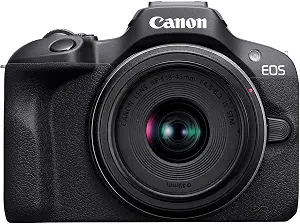
Canon EOS R100 Mirrorless Camera RF-S18-45mm F4.5-6.3 is STM Lens Kit
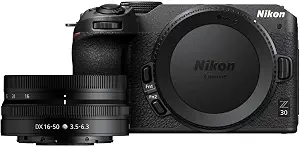
Nikon Z 30 with Wide-Angle Zoom Lens
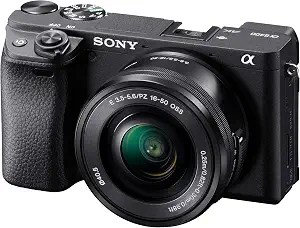
Sony Alpha a6400 Mirrorless Camera
Best Mirrorless Camera Buying Guide — Black Friday Deals 2026
Choosing a mirrorless camera starts with the pictures and recordings you want to make, then narrows to the kit details that affect those plans. This guide compares three options through their supplied sensor, lens, video, screen, and shooting-rate information—not through assumed performance or a promised Black Friday bargain. The Canon EOS R100 pairs an APS-C sensor with an included lens; the Nikon Z 30 brings a flip-out touchscreen; and the Sony Alpha a6400 includes a flip screen and 16-50mm lens. Each receives a distinct editorial recommendation, not a test result or a market-wide award. During Black Friday, check the live listing’s exact camera and lens configuration before comparing offers, and decide which stated features matter enough to shape your shortlist.
Canon EOS R100 Mirrorless Camera RF-S18-45mm F4.5-6.3 is STM Lens Kit
Check Price on Amazon
The Canon EOS R100 is the Best Budget pick among these featured cameras, an editorial designation rather than a statement about its current price or a market-wide judgment. Its listed specifications offer useful details to weigh: a 24.1 megapixel CMOS (APS-C) sensor, 4K video at up to 24 fps, and Dual Pixel CMOS AF that covers a wide area up to 143 zones. The included Canon RF-S18-45mm F4.5-6.3 IS STM Lens Kit makes this a package to assess as a camera-and-lens combination. During Black Friday, the label should prompt a careful offer comparison, not an assumption that a discount is active.
Consider the video qualification closely. The supplied detail is 4K video at up to 24 fps, so decide whether that stated ceiling fits the recording plans you have in mind. It is more useful to compare this exact wording with what you need than to treat a broad 4K label as a complete description of video options. For still photography, the given sensor resolution and autofocus coverage offer specific points of comparison with the Nikon and Sony listings. They do not, by themselves, establish how the cameras perform in every scene or how their images will look in your hands.
The lens is another practical part of the decision. The kit name specifies an RF-S18-45mm F4.5-6.3 IS STM lens, and the supplied detail for its optical image stabilization is up to 4 stops of shake correction. Keep that qualification attached when considering whether the included lens suits your intended use. The screen size is listed as 3 inches. If display size matters to you, use that exact fact as a comparison point without assuming any unlisted screen movement or touch capability.
The continuous shooting specification is up to 6.5 shots per second when set to One-Shot AF. That condition matters: keep it with the rate when deciding whether the figure is relevant to your subjects. A shopper photographing still scenes may weigh the package differently from someone prioritizing video framing or a flip-out display. For Black Friday, confirm that the offer is for the Canon EOS R100 kit with the specified lens, rather than relying on a general product title. The Best Budget label is a useful starting point for comparison, but the live offer and your own priorities should make the final decision.
Key specs
| Sensor | 24.1 megapixel CMOS (APS-C) sensor |
| Video | 4K video at up to 24 fps |
| Autofocus | Dual Pixel CMOS AF covers a wide area up to 143 zones |
| Continuous shooting | up to 6.5 shots per second when set to One-Shot AF |
| Included lens | Canon RF-S18-45mm F4.5-6.3 IS STM Lens Kit |
| Lens image stabilization | Optical Image Stabilization at up to 4 stops of shake correction |
| Display | Screen Size 3 inches |
Nikon Z 30 with Wide-Angle Zoom Lens
The Nikon Z 30 is the Best Overall choice in this guide because its listed details bring together a 4K video resolution, a flip-out touchscreen selfie monitor, and a continuous shooting rate of 11 frames_per_second. That combination gives shoppers several concrete questions to consider: Will you frame yourself on the camera’s screen? Do you want a stated 4K video option? Is the listed shooting rate relevant to the kind of still subjects you photograph? The label is an editorial choice based on these supplied features, not a claim of measured superiority or a promise that this camera is best for every buyer.
The kit includes a Nikkor Z DX 16-50mm f/3.5-6.3 VR Lens, so evaluate the camera and included lens together rather than comparing a body-only description with a complete kit. The supplied facts also identify a CMOS sensor and an effective still resolution of 20.9 mp. Those details can help you decide whether this configuration belongs on your list, but they do not answer every question about image quality or suitability for a particular subject. Think about your planned mix of photos and video, then check whether the exact listed package matches that intent.
The flip-out touchscreen selfie monitor may be particularly relevant if you want to see the framing while recording yourself or composing from a position where looking through a conventional viewing arrangement is inconvenient. Treat that as a reason to consider the screen, not as proof of a specific recording workflow or accessory setup. The product facts also list Bluetooth, HDMI, USB, and Wi-Fi. If a connection matters to your routine, confirm that the live listing describes the same model and package before choosing based on it.
For Black Friday, compare the Z 30 offer by its exact name, included lens, and listed contents. Do not assume that a prominent camera image or abbreviated title establishes which configuration is being offered. Check the current offer details and compare them with the Nikon Z 30 with Wide-Angle Zoom Lens described here. If the screen, video resolution, and included lens align with your priorities, it is a strong candidate for your shortlist; if another camera’s stated details better suit your needs, the Best Overall label need not decide the purchase.
Key specs
| Included lens | Nikkor Z DX 16-50mm f/3.5-6.3 VR Lens |
| Sensor | Sensor Type CMOS |
| Still resolution | Effective Still Resolution 20.9 mp |
| Video | 4K resolution |
| Screen | Flip out touchscreen selfie monitor |
| Continuous shooting | 11 frames_per_second |
| Connectivity | Bluetooth, HDMI, USB, Wi-Fi |
Sony Alpha a6400 Mirrorless Camera
Check Price on Amazon
The Sony Alpha a6400 is our Best for Flip-Screen Framing choice because its supplied specifications identify a flip screen. That makes it worth considering if seeing the screen’s position as part of your composition routine is important to you. This editorial label rests on that listed feature; it does not imply a test, measured advantage, or broader award. The camera also has an APS-C sensor, a 16-50mm lens, and a Sony E (NEX) mount. Treat those as distinct decision points, and check the exact product configuration before drawing conclusions from a general comparison.
For video, the listed format is 4K (2160p). That headline may help you decide whether the model belongs on a video-focused shortlist, but the supplied facts do not specify recording rates or other video details. Avoid assuming that a general 4K description answers every question about your particular recording plan. For still photography, the available facts identify the APS-C sensor, but do not provide a still-resolution figure. If that figure is important to your decision, look for it in the current listing rather than filling in a missing detail by inference.
The included 16-50mm lens and Sony E (NEX) mount are useful identifiers when confirming which a6400 package you are considering. Do not presume that every offer bearing the camera name includes the same lens. The screen detail can also be considered alongside how you expect to frame: perhaps you want to check whether a flip screen suits the way you compose, rather than assuming a particular angle or touch function that is not stated here. Those practical questions are especially helpful when two listings appear similar.
Black Friday can make package verification more important than the headline alone. Check that the offer identifies the Sony Alpha a6400 and the 16-50mm lens, then compare its stated contents with the configuration you intended to buy. This product has an 11 frames_per_second continuous shooting specification, which offers another concrete point for your shortlist. The listing does not state a qualification for that figure, so do not add one. If the flip screen is your deciding feature, weigh it with the lens, mount, and video detail instead of treating the recommendation label as proof that the camera suits every use.
Key specs
| Sensor size | APS-C |
| Lens | 16-50mm Lens |
| Mount | Sony E (NEX) |
| Video | 4K (2160p) |
| Screen | Flip Screen |
| Continuous shooting | 11 frames_per_second |
Decide which camera details deserve priority
Start with the situations you expect to photograph or record. Someone planning a mix of stills and video may want to compare both kinds of information, while a shopper who cares most about framing may begin with the screen descriptions. The supplied facts give the Canon a 24.1 megapixel CMOS (APS-C) sensor and the Nikon an effective still resolution of 20.9 mp; the Sony listing identifies an APS-C sensor without giving a still-resolution figure. Keep those differences visible rather than treating unlike or missing details as directly interchangeable.
For video, the Canon’s specification is 4K video at up to 24 fps, while the Nikon is listed with 4K resolution and the Sony with 4K (2160p). Those descriptions do not supply the same level of detail. If a particular recording format or rate is essential, verify it in the live product information rather than inferring it from the shared 4K wording. The same approach applies to screens: the Nikon has a flip-out touchscreen selfie monitor, the Sony has a flip screen, and the Canon’s supplied screen detail is its 3-inch size.
Use Black Friday as a moment to revisit priorities, not to let an offer headline define them. Write down the features you actually need, then see which package matches. A screen feature may matter more to someone recording themselves; an included lens or autofocus specification may be more relevant to another shopper. There is no need to force a winner across unlike cameras when the better choice depends on the work you expect the camera to do.
Black Friday package checks that prevent mismatches
A camera name alone may not tell you which configuration a listing describes. Compare the full product name and included lens: the Canon offer discussed here is the RF-S18-45mm F4.5-6.3 IS STM Lens Kit, the Nikon package includes a Nikkor Z DX 16-50mm f/3.5-6.3 VR Lens, and the Sony listing specifies a 16-50mm lens. These names are practical identifiers, not a reason to assume that every similarly titled offer contains the same items.
During Black Friday, inspect the exact variant selected on the live page and confirm that it matches the product you meant to compare. Check the title, lens description, and any listed package details before judging one offer against another. A general camera image or abbreviated description is not enough to establish the variant. If the offer omits a detail you care about, pause and verify it instead of assuming the item is included.
Do not treat a recommendation label as evidence of a current promotion. This guide does not establish an active discount, price, or stock status. Compare the offer as displayed at the time you shop, and consider whether the included configuration actually meets your plans. A lower-looking headline is not useful if the variant differs from the kit you intended to evaluate. The right comparison is between matching configurations and the features you value.
Read the lens description as part of the decision
An included lens changes what the package description means, so keep it attached to the camera when comparing listings. The Canon kit names an RF-S18-45mm F4.5-6.3 IS STM lens and specifies optical image stabilization at up to 4 stops of shake correction. The Nikon package names a Nikkor Z DX 16-50mm f/3.5-6.3 VR lens. The Sony listing identifies a 16-50mm lens. These are the facts available here; avoid assigning other properties or capabilities that are not stated.
Ask what you need the bundled lens to cover in your usual photography. If a particular range or lens feature is central to your plans, compare the exact written description with those plans and verify the offer’s contents. A familiar-looking number in a listing is not a substitute for confirming the full lens name. For the Canon, retain the stated aperture description and stabilization qualification when comparing. For the Nikon and Sony, use the names provided rather than assuming their details are identical because both descriptions include 16-50mm.
Black Friday package listings may invite quick comparisons, but matching the lens is a more deliberate first step. If a listing does not clearly identify the bundled lens, seek clarification in the product information before treating its offer as equivalent. That check is useful whether you are weighing a kit against another kit or deciding whether a particular included lens fits your intended subjects. It keeps the camera body and lens configuration together in your decision.
Make screen and shooting details useful to your routine
Screen descriptions can answer a practical question: how do you want to compose? The Nikon’s screen is described as a flip-out touchscreen selfie monitor, and the Sony’s is described as a flip screen. The Canon specification supplied here gives a screen size of 3 inches, without describing it as a flip screen. Those details are not interchangeable. If you regularly want to see the screen while framing yourself, the Nikon’s stated description may be especially relevant; if screen movement is your priority, compare the Sony’s flip-screen listing as well.
Shooting-rate figures also need their exact wording. The Nikon is listed at 11 frames_per_second and the Sony at 11 frames_per_second. The Canon is specified at up to 6.5 shots per second when set to One-Shot AF. Keep that condition alongside the Canon figure, and do not assume a shooting rate guarantees a particular result with your subject. Consider whether the specification is important for the scenes you plan to photograph, rather than ranking cameras by a number alone.
These checks help separate personal preferences from advertised headlines. During Black Friday, a camera may look appealing because one feature is easy to spot, but your routine may depend more on a screen arrangement, lens description, or the qualification attached to a shooting rate. Decide which detail would change your choice, then use only that detail to narrow the options. If none is decisive, compare the full package and your planned uses before settling on a model.
Use a short, evidence-based final comparison
Before choosing, put the three product names beside the specific facts that matter to you. For the Canon, that could be its 24.1 megapixel CMOS (APS-C) sensor, the qualified 4K video detail, or the named kit lens. For the Nikon, it might be the flip-out touchscreen selfie monitor, the stated 4K resolution, or the included Nikkor lens. For the Sony, it could be the flip screen, 4K (2160p), or its 16-50mm lens. A compact comparison reduces the chance that a broad label will overshadow a detail you care about.
Then check for information the supplied specifications do not answer. If you need a video rate for the Nikon or Sony, a still-resolution figure for the Sony, or a screen function not stated for the Canon, verify that detail in the current listing. Missing information here is not evidence that a feature is absent; it simply should not be assumed. Use the exact listing to answer questions that affect your purchase, and do not compare one camera on a known detail with another on an imagined one.
For Black Friday, finish by confirming the selected product variant and included lens, then compare the live offer on that matching configuration. No recommendation here promises a particular price, discount, or availability. The Best Overall, Best Budget, and Best for Flip-Screen Framing labels are editorial ways to organize this selection, not proof that one camera will suit every shopper. Let your requirements and verified package details make the final call.
Make your Black Friday choice
The best mirrorless camera in this selection is the one whose stated details fit the way you plan to shoot. The Nikon Z 30 stands out here for its flip-out touchscreen selfie monitor and listed 4K resolution; the Canon EOS R100 pairs an APS-C sensor with a specified kit lens and qualified video and shooting-rate details; and the Sony Alpha a6400 offers a flip screen, 4K (2160p), and a listed 16-50mm lens. These are useful distinctions, not guarantees of a particular result. Before buying during Black Friday, verify the exact offer variant and included lens, then compare the live terms without assuming a promotion. Choose from the package and features you can confirm.