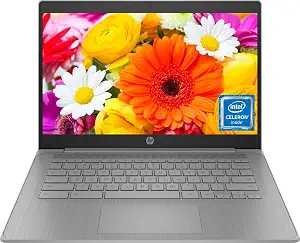
HP 14" HD Chromebook Laptop for Students
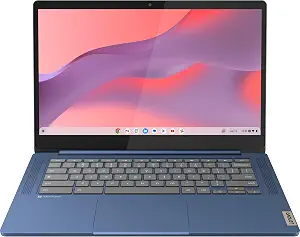
Lenovo Flagship Chromebook, 14'' FHD Touchscreen
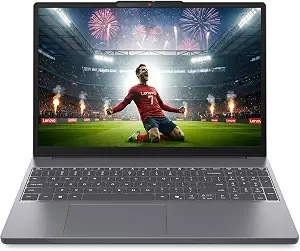
Lenovo IdeaPad Slim 3i
Best Laptop Students Buying Guide — Black Friday Deals 2026
A student laptop should fit the work it needs to handle, not simply look like a bargain on Black Friday. Start by checking course software and operating-system requirements, then consider how much memory and storage suit the student’s files and study routine. Screen preferences, wireless details and any stated battery information can help refine the shortlist. The three choices here range from Chrome OS models with compact memory and storage figures to a touchscreen configuration with more listed memory and SSD capacity. Treat each Black Friday listing as something to verify: confirm the exact model and configuration, then decide whether its stated features answer the student’s needs.
HP 14" HD Chromebook Laptop for Students
Best Budget is the editorial label for this group, not a statement about a current price or an active Black Friday discount. The practical case for considering this HP Chromebook starts with its defined, straightforward specification: an Intel Celeron N4120 processor with 4 Cores & Threads, 4GB RAM, 64GB eMMC and Chrome OS. A student can use those details as a checklist against course requirements and personal file habits. Before buying, verify that required applications and services suit Chrome OS; no compatibility information for specific software is provided here.
Its 14 inches display has a resolution of 1366 x 768 pixels. That gives shoppers a concrete screen description to weigh against how the student reads, writes and arranges study material. The right choice depends on the student’s preferences and work, rather than the size of the display alone. Consider whether this stated resolution and screen size make sense for the way coursework is viewed. The listed 802.11ac wireless specification is another point to compare with the student’s study locations and network needs, without assuming details about a particular network.
The 4GB RAM and 64GB eMMC figures make it especially useful to pause and picture what will be open and saved on the device. They are specifications, not a promise about how many applications or files will suit an individual student. If the student expects to keep a substantial local collection, check that expectation against the listed storage before choosing. On Black Friday, verify the exact product and configuration on the offer page, rather than relying on a headline or a similar-looking listing. This option makes sense to shortlist when Chrome OS and the stated screen, memory and storage details fit the student’s plan. Best Budget identifies its role among these featured products; it does not imply a particular deal, price or measured advantage.
Key specs
| Processor | Intel Celeron N4120 |
| Processor cores | 4 Cores & Threads |
| Memory | 4GB RAM |
| Storage | 64GB eMMC |
| Operating system | Chrome OS |
| Display | 14 inches |
| Resolution | 1366 x 768 pixels |
| Wireless | 802.11ac |
Lenovo Flagship Chromebook, 14'' FHD Touchscreen
Check Price on Amazon
Best Overall is an editorial choice among the laptops in this guide, not a claim of measured superiority. This Chromebook earns the label as a balanced option to consider when the student wants a touchscreen and the listing’s stated wireless and battery details are useful to their planning. Its 14" Full HD Touchscreen provides a clearly specified screen format, while Google Chrome OS makes operating-system fit an important first question. Before a Black Friday purchase, ask whether the student’s required coursework and applications are suitable for Chrome OS; the provided specifications do not establish compatibility with any particular course tool.
The MediaTek Kompanio 520 processor is specified as Octa-Core, 4x A73 @2.0GHz + 4x A53 @2.0GHz. It is paired with 4GB RAM and 64GB eMMC. Those figures give a shopper concrete points to compare with the student’s expected applications and file habits, rather than a reason to assume a particular speed or workload outcome. Think about what needs to be kept on the laptop, and whether the student’s routine is centered on a set of online services or local files. The storage figure is worth checking against that plan before settling on this configuration.
Wi-Fi 6, 11ax 2×2 + Bluetooth 5.1 combo and a stated battery life of 13.5 hours are useful details to review for the student’s intended study settings. The battery figure is a listed specification, not a guarantee of time away from a charger in every situation. For a Black Friday offer, match the product page to this exact configuration and make sure the displayed variant is the one being considered. Choose this as Best Overall if Chrome OS, a Full HD touchscreen and the listed connectivity and battery information align with the student’s priorities; the label is a guide to this selection, not a test result.
Key specs
| Display | 14" Full HD Touchscreen |
| Processor | MediaTek Kompanio 520 processor (Octa-Core, 4x A73 @2.0GHz + 4x A53 @2.0GHz). |
| Memory and storage | 4GB RAM + 64GB eMMC |
| Operating system | Google Chrome OS |
| Wireless | Wi-Fi 6, 11ax 2×2 + Bluetooth 5.1 combo |
| Battery life | 13.5 hours |
Lenovo IdeaPad Slim 3i
Check Price on Amazon
Best for a larger touchscreen workspace describes the specific appeal of this configuration: its 15.3" WUXGA Touchscreen Display gives students a larger listed screen option than the 14-inch displays elsewhere in this group. That makes it worth considering for someone who values a more spacious touchscreen area for study tasks. It is still a preference-based label, not a measured performance award. The Intel Core™ Ultra 5 Processor 322, 16GB RAM and 1TB SSD Storage provide further concrete specifications to compare with course requirements and the student’s plans for active work and saved files.
The listing also specifies a 120Hz Refresh Rate and a 60 watt-hours battery capacity. Treat these as details to weigh, not as a promise of a particular visual experience or time between charges; no usage conditions or runtime claim are supplied for this model. The listed processor, memory and SSD capacity may make this configuration worth examining when the student expects to use applications or keep files that call for more headroom in their plan. Still, check the actual requirements rather than assuming a spec alone makes the laptop a fit. The provided facts do not identify this model’s operating system, so verify that detail and confirm it meets the course’s needs.
During Black Friday shopping, make sure the offer page describes this exact IdeaPad Slim 3i configuration, including the touchscreen, processor, memory and storage details. Do not assume a sale badge means a different configuration has the same features. Compare the actual offer and variant with the student’s intended work, and check the product page for any details that matter but are not specified here. This is a strong candidate to investigate when a larger touchscreen workspace is a priority and its stated capacity details suit the student’s plans. The Best for a larger touchscreen workspace label explains why it is included; it does not assert that it is best for every student or coursework situation.
Key specs
| Processor | Intel Core™ Ultra 5 Processor 322 |
| Display | 15.3" WUXGA Touchscreen Display |
| Memory | 16GB RAM |
| Storage | 1TB SSD Storage |
| Refresh rate | 120Hz Refresh Rate |
| Battery capacity | 60 watt-hours |
Make course software the first checkpoint
Before comparing displays or reacting to a Black Friday banner, write down the operating system and applications the student’s course requires. The two Chromebook choices explicitly list Chrome OS, so check whether the necessary coursework, school services and preferred study tools work with that system. Do not treat a general description of a laptop as proof that a specific application is supported. The IdeaPad Slim 3i facts provided here do not state its operating system; check the actual product page and configuration rather than filling in that gap from the model name.
Next, translate course demands into a shortlist. Consider whether the student mostly uses browser-based services, needs particular desktop applications, or has instructions from an instructor or school about device requirements. Those are questions for the student to answer, not capabilities established by the listings. If a requirement is unclear, resolve it before choosing a deal. Black Friday timing does not make an operating-system mismatch less important. Once the software question is settled, the specifications can help distinguish options that otherwise seem similar. This order keeps the purchase centered on eligibility for the student’s work, while leaving room to weigh screen, memory, storage and wireless preferences afterward.
Plan memory and storage around real study habits
Think separately about active work and saved material. The Chromebook specifications list 4GB RAM and 64GB eMMC; the IdeaPad listing specifies 16GB RAM and 1TB SSD Storage. These are useful figures for comparing configurations, but they do not predict how a particular student’s applications will behave. Ask what the student expects to have open at once, which files must be kept locally, and whether school or personal routines rely on storing work on the laptop. Then check those needs against the listed figures and any course guidance.
A Black Friday listing may draw attention to a headline feature, so keep the exact memory and storage configuration in view as you compare offers. Avoid assuming that a similarly named model has identical capacity. The two Chromebook options share the listed 4GB RAM and 64GB eMMC figures, while the IdeaPad provides different stated figures; the right fit depends on the student’s workload and file plan, not an abstract ranking. Also check any important storage or memory details on the live offer page. The provided records do not describe upgrade options, file-transfer methods or other capacity features, so do not rely on assumptions about them when making the decision.
Choose the screen for the study routine
Screen choice is easier when it answers a real question. The HP Chromebook lists a 14 inches display with 1366 x 768 pixels. The Lenovo Chromebook specifies a 14" Full HD Touchscreen, and the IdeaPad has a 15.3" WUXGA Touchscreen Display. Consider what the student prefers for reading, writing and viewing course material, and whether touchscreen interaction matters to their routine. The specifications describe formats; they do not establish that a particular screen will suit every student or study setting.
If the student values a larger touchscreen workspace, the IdeaPad is the option in this group to examine for that stated feature. If a 14-inch touchscreen is the priority, the Lenovo Chromebook offers that listed format. A student who does not need touch should still compare the screen descriptions against personal preference rather than treating touch as an automatic advantage. The IdeaPad also lists a 120Hz Refresh Rate, which can be included in the comparison if that detail matters to the student. On Black Friday, verify the precise display and variant shown on the offer page; similar product names alone do not confirm that the screen configuration matches.
Read processor and wireless details as planning clues
Processor descriptions are useful for matching a listing to school requirements, but the names and core descriptions alone do not establish performance in a particular application. The HP lists an Intel Celeron N4120 with 4 Cores & Threads. The Chromebook from Lenovo lists a MediaTek Kompanio 520 processor (Octa-Core, 4x A73 @2.0GHz + 4x A53 @2.0GHz). The IdeaPad lists an Intel Core™ Ultra 5 Processor 322. Compare these details with any course guidance and the applications the student intends to use; avoid assuming a specific outcome without relevant requirements or evidence.
Wireless information can also help frame questions about study settings. The HP lists 802.11ac. The Lenovo Chromebook lists Wi-Fi 6, 11ax 2×2 + Bluetooth 5.1 combo. Those are the available specifications, not a guarantee about connection quality in a particular room or network. Consider what the student’s school or home setup requires, and verify that the exact listing shows the configuration being considered. The IdeaPad facts provided here do not state a wireless specification, so check the live page if wireless details are important. Use Black Friday as a chance to compare exact configurations, not as a reason to infer missing details.
Put battery information in its proper context
Only one product record here gives a battery-life figure: the Lenovo Chromebook lists 13.5 hours. Treat that as a stated specification rather than a promise that the student will get the same duration in every situation. The IdeaPad lists a battery capacity of 60 watt-hours, which is a capacity figure, not a runtime claim. The HP facts supplied do not include a battery-life figure. Those distinctions matter when a student is planning a day that may involve moving between study locations or access to a charger.
Ask what the student’s routine actually requires, then check the product page for the details that matter to that routine. Do not compare a listed runtime directly with a capacity figure as if they measured the same thing, and do not interpret an unlisted battery detail as proof of a particular capability. As a Black Friday offer is reviewed, confirm the exact model and variant and look for any relevant information that is not included in the specifications summarized here. A careful check helps separate what the listing states from what the student still needs to find out, without turning a specification into an unsupported day-to-day expectation.
Make your Black Friday choice
A useful student-laptop shortlist begins with software requirements, then narrows by memory, storage, screen preferences and the details that matter in the student’s study setting. The Chrome OS models call for a compatibility check; the IdeaPad listing needs an operating-system check because that fact is not specified here. Black Friday can be a convenient moment to compare, but it is not proof of a discount or a reason to skip the configuration check. Read the exact offer, match its stated features to the student’s needs, and choose the option whose tradeoffs make sense for their coursework and routine.