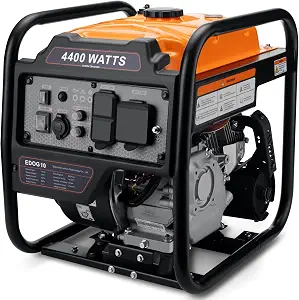
Power Equipment 4400 Watts Inverter Generator Gas Powered
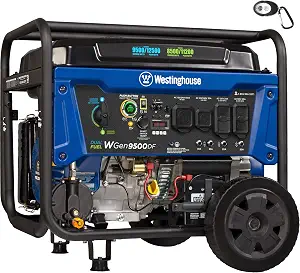
Westinghouse 12500 Watt Dual Fuel Home Backup Portable Generator, Remote Electric Start, Transfer Switch Ready, Gas and Propane Powered
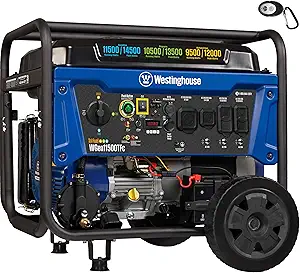
Westinghouse 14500 Peak Watt Tri-Fuel Home Backup Portable Generator
Best Generator Buying Guide — Black Friday Deals 2026
A generator shortlist starts with the equipment you want to keep running, the connection it needs, and the fuel you can plan to use. The three options here span a gasoline inverter generator, a gasoline-and-propane home-backup model, and a tri-fuel generator. Their published output, outlets, starting details and physical specifications help answer different planning questions, but they do not establish which one suits every household or task. For Black Friday, treat each listing as a configuration to verify, not as a promise of a particular deal. Check that the selected model and included components match the details you are comparing, then decide whether its documented capabilities fit your intended setup.
Power Equipment 4400 Watts Inverter Generator Gas Powered
Check Price on Amazon
For a shopper who wants a smaller-output gasoline option to consider, this Power Equipment inverter generator is the Best Budget choice among the featured models. That label reflects its role in this guide, not a claim about price or measured value: no current price or promotion is established here. Its published output is 4400 peak watts and 3400 running watts. Use the running figure as the starting point for comparing the steady demand of the equipment you plan to connect, and treat peak output as a separate specification rather than as a substitute for that calculation.
The outlet mix gives you a concrete connection checklist: two 120V AC ports, one 12V DC port and one RV port. Before Black Friday, write down the plugs and power requirements of your intended equipment and check that the actual connection route is appropriate. An outlet count alone cannot confirm that a particular device will connect directly or that your chosen group of loads fits the generator’s output. The gasoline fuel type is also a practical filter: consider whether gasoline is the supply you intend to store and use, rather than assuming fuel arrangements are interchangeable.
The listed 2 gallon fuel tank is useful information for comparing the physical fuel capacity, but it does not establish runtime. No runtime figure is provided for this model, so avoid estimating operating time from tank size alone. Likewise, the noise specification is Under 72 dBA from 23FT away; retain that stated measurement context when deciding whether it addresses your placement concerns. It is not a guarantee of how loud the generator will seem in every location or operating situation.
At 56 pounds, the listed weight is relevant when thinking through where you would keep the unit and how it would be positioned for use. It does not by itself settle whether moving or storing it will work for your circumstances. For a Black Friday comparison, verify that the listing is for this gasoline inverter model and check the exact outlet and output details against your load plan. This option may be worth investigating when its documented output and ports align with a focused set of needs; leave runtime and any other unprovided details as questions to resolve from the live listing.
Key specs
| Power output | 4400 peak watts and 3400 running watts |
| Fuel | Gasoline |
| Outlets | 2*120V AC ports, 1*12V DC port, 1*RV port |
| Fuel tank | 2 gallon fuel tank |
| Noise level | Under 72 dBA from 23FT away |
| Weight | 56 pounds |
Westinghouse 12500 Watt Dual Fuel Home Backup Portable Generator, Remote Electric Start, Transfer Switch Ready, Gas and Propane Powered
Check Price on Amazon
The Westinghouse 12500 Watt Dual Fuel model is the Best Overall pick in this guide for shoppers comparing a portable generator with substantial stated output, two fuel options and several starting methods. “Best Overall” is an editorial choice among these three products, not a test result or a claim that it fits every backup plan. On gasoline, the listed output is 9500 Running Watts and 12500 Peak Watts; on propane, it is 8500 Running Watts and 11200 Peak Watts. Compare the running figure for the fuel you expect to use with the demands of your planned equipment, rather than treating the higher peak figure as continuous capacity.
Its stated start choices are Remote Start with Included Key Fob, Electric and Recoil Start. Those details let you ask which operating method you expect to use and whether the exact Black Friday listing includes the described key fob. They do not establish how you will position or access the generator in a particular home setup. The listed runtime is Up to 12 Hours of Run Time, and the tank volume is 6.6 gallons. Keep the runtime qualification intact: it is not a promise that every load or operating condition will produce that duration.
The outlet selection is specific enough to compare against a planned connection path: two GFCI 120V 5–20R 20A Standard Household Receptacles, one Transfer Switch Ready 120V L14-30R 30A, and one RV Ready 120/240V 14–50R 50A. A transfer-switch-ready outlet does not, by itself, determine what additional equipment or installation your home requires. Confirm the planned connection with the appropriate instructions and qualified help when needed; do not assume that an outlet name settles the whole setup.
The engine is described as a Heavy Duty 457cc Westinghouse 4-Stroke OHV Engine Featuring a Long-Lasting Cast Iron Sleeve with Automatic Low Oil Shutdown and Digital Hour Meter. These are listed engine details, not a basis for predicting service life or maintenance outcomes. For Black Friday, compare the precise model and fuel-specific output, then check the starting description, runtime qualification, tank volume and outlet configuration in the selected listing. This model earns the guide’s Best Overall label because those documented decision points give a shopper several concrete parts of a backup plan to assess—not because the label establishes superiority in use.
Key specs
| Power output | 9500 Running Watts and 12500 Peak Watts (Gasoline); 8500 Running Watts, 11200 Peak Watts (Propane) |
| Starting | Remote Start with Included Key Fob, Electric and Recoil Start |
| Runtime | Up to 12 Hours of Run Time |
| Fuel tank | Tank Volume 6.6 gallons |
| Outlets | Two GFCI 120V 5–20R 20A Standard Household Receptacle, One Transfer Switch Ready 120V L14-30R 30A, and One RV Ready 120/240V 14–50R 50A |
| Engine | Heavy Duty 457cc Westinghouse 4-Stroke OHV Engine Featuring a Long-Lasting Cast Iron Sleeve with Automatic Low Oil Shutdown and Digital Hour Meter |
Westinghouse 14500 Peak Watt Tri-Fuel Home Backup Portable Generator
Check Price on Amazon
Shoppers who want to compare more than gasoline and propane can consider the Westinghouse tri-fuel home-backup portable generator, labeled Best for Fuel Flexibility here. The label is grounded in its listed fuel choices—gasoline, liquefied petroleum gas and natural gas—and does not claim that every supply is available or convenient at every location. Before Black Friday, ask which of these fuels you can actually plan around and check the exact listing for the configuration being offered. The product facts establish the three fuel types, but do not provide output figures for each one.
The stated output is 11,500 running/14,500 peak watts on gasoline. Keep that qualification attached to the figures: the supplied output information is specifically for gasoline. If you are considering liquefied petroleum gas or natural gas, do not carry the gasoline figures over to those fuels without confirmation. A sound comparison begins with the appliances or equipment you intend to run, their requirements, and the applicable output for the fuel you would use. The numbers alone cannot confirm that a particular combination of loads will work.
For home-backup planning, the listing says the 50A and 30A outlets pair well with an interlock kit, manual transfer switch or Westinghouse WATS200 ATS system for home backup, sold separately. That gives you a useful set of connection options to investigate, while also making clear that the named equipment is not included in that statement. Confirm the exact outlet arrangement and the components required for your intended installation rather than assuming a generator outlet alone completes the connection.
The stated dimensions are 27.2"L x 26.1"W x 26.5"H, and the listed weight is 230 pounds. Use those exact figures when considering storage location and access to the intended operating area; they do not establish how easily the generator can be moved. No runtime or starting-method details are provided here, so leave those as open questions when comparing the live Black Friday offer. This is the guide’s Best for Fuel Flexibility choice because its three listed fuel types create more fuel options to evaluate. Whether that flexibility is useful depends on the supply and connection plan you can verify.
Key specs
| Fuel options | Fuel Type Gasoline, Liquefied Petroleum Gas, Natural Gas |
| Running and peak wattage | Delivers 11,500 running/14,500 peak watts on gasoline. |
| Outlets and home backup | 50A and 30A outlets pair well with an interlock kit, manual transfer switch or Westinghouse WATS200 ATS system for home backup (sold separately). |
| Dimensions | 27.2"L x 26.1"W x 26.5"H |
| Weight | 230 pounds |
Make the equipment list the first filter
Before comparing Black Friday offers, identify the equipment that matters most and record its power requirements from its own label or documentation. Separate the loads you consider essential from those you would only run if capacity allows. Then compare the relevant generator’s running output with the planned demand, keeping peak output distinct. For the Power Equipment model, the listed figures are 3400 running watts and 4400 peak watts; the Westinghouse dual-fuel model has different running and peak figures depending on gasoline or propane. The tri-fuel model’s supplied output figures apply to gasoline only.
This method avoids choosing by a headline wattage that may not describe the fuel you intend to use or the sustained demand you have in mind. Add up the requirements for the combination you actually expect to operate, and account for the connection requirements of each item. If you cannot establish a device’s demand or how it behaves when starting, pause before treating a generator specification as a match. A listing can provide useful output figures, but it cannot settle an unrecorded load plan. Revisit the shortlist if your essential equipment changes, and keep unresolved requirements visible when checking a Black Friday listing.
Follow the plug all the way to the intended use
Outlet labels are most useful when compared with a specific device or backup connection. The inverter model lists 120V AC ports, a 12V DC port and an RV port. The dual-fuel Westinghouse lists household receptacles, a transfer-switch-ready outlet and an RV-ready outlet with stated voltage and amperage descriptions. The tri-fuel listing references 50A and 30A outlets for home-backup connections. These descriptions are not interchangeable; identify which exact outlet your plan calls for.
For each intended load, note its plug and any connection equipment your setup requires. For home backup, distinguish a generator outlet from the rest of the connection path. The tri-fuel product information specifically names an interlock kit, manual transfer switch or Westinghouse WATS200 ATS system and says these are sold separately. The dual-fuel model’s transfer-switch-ready designation likewise does not establish that a complete installation is included. Black Friday listing details should confirm the selected model and relevant outlet description. When your plan involves connecting to household wiring, consult appropriate instructions and qualified help rather than improvising from an outlet name.
Choose fuel by supply, not by the length of the feature list
Fuel options matter only insofar as they fit a supply plan you can verify. The inverter model is listed as gasoline-powered; the dual-fuel model is described as gasoline and propane; and the tri-fuel model lists gasoline, liquefied petroleum gas and natural gas. These are useful distinctions for a shortlist, not guarantees that every fuel is accessible or suitable for your circumstances. Consider which supply you intend to use, how you will obtain it, and what practical storage or connection questions you need to resolve.
Also keep output figures tied to their stated fuels. The dual-fuel model provides separate gasoline and propane output figures, while the tri-fuel facts give output only for gasoline. Do not infer an unprovided figure for another fuel. For Black Friday, compare the exact fuel configuration and look for the applicable specifications in the selected listing. A broader choice of fuel types may help a shopper who can plan around those supplies, but it is not automatically the better choice. If one fuel is the realistic option for your intended use, prioritize verified information for that option.
Think through location, access and operating details
A generator’s place in your plan includes where it will be stored and how you expect to position it. The inverter model lists a weight of 56 pounds and noise of Under 72 dBA from 23FT away. The tri-fuel model lists a weight of 230 pounds and dimensions of 27.2"L x 26.1"W x 26.5"H. Use these details as planning inputs, not as a complete verdict on handling or suitability. The dual-fuel model’s facts here do not include dimensions or weight, so check the live listing if those details affect your decision.
Operating information can shape expectations too. The dual-fuel model lists remote start with an included key fob, electric start and recoil start, plus Up to 12 Hours of Run Time and a 6.6 gallon tank. Keep the runtime wording qualified; the facts do not specify the load or conditions behind it. The inverter model lists a 2 gallon fuel tank but no runtime figure. Do not derive one from tank size. Black Friday comparisons are more useful when they separate documented details from questions about use that remain unanswered.
Compare the exact Black Friday configuration
A promotional headline cannot establish whether the product behind it is the one you meant to compare. Check the model name and the selected variant, then verify the specifications that matter to your plan: fuel type, fuel-specific output, outlets, start methods, runtime wording and any stated included components. For the dual-fuel model, confirm whether the listing describes the gasoline or propane output you are considering. For the tri-fuel model, make sure you do not mistake its gasoline output figures for specifications on another fuel.
Compare what the offer actually identifies, not an imagined package or a presumed discount. No sale price, savings, stock status or active promotion is established by this guide. If the live page does not answer a question that affects your setup—such as a needed connection detail or a runtime expectation—treat that as unresolved rather than filling in the gap. This approach makes a Black Friday decision more deliberate: a lower headline is not useful if the selected configuration or documented features do not match your intended use. Recheck the listing before purchasing.
Make your Black Friday choice
The right shortlist depends on what you need to run, which fuel you can plan around, and how the generator would connect and fit into your space. The inverter model supplies a defined gasoline output and outlet mix; the dual-fuel Westinghouse adds separate gasoline and propane output figures, listed starting methods and a qualified runtime figure; the tri-fuel option offers three stated fuel types, with output figures provided for gasoline. None of those distinctions replaces checking your actual requirements. As Black Friday approaches, use the live listing to verify the exact configuration and resolve open questions without assuming a discount or an unlisted feature. Choose the model whose documented details fit the plan you can confirm.