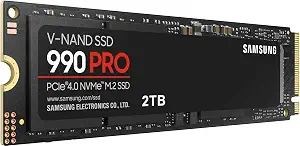
Samsung SSD 990 PRO 2TB
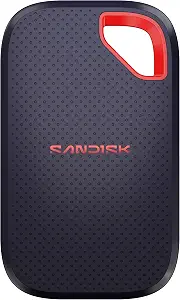
SANDISK 1TB Extreme Portable SSD
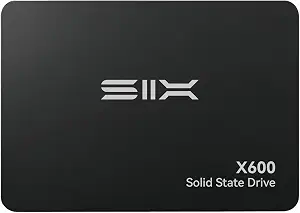
SIX 1TB SATA 2.5 SSD Internal Solid State Hard Drive
Best Solid State Drives Buying Guide — Black Friday Deals 2026
Choosing a solid state drive starts with where it will live and which devices need to use it. The options here include an internal M.2 drive, an internal 2.5-inch SATA drive and a portable model, so they answer different storage questions rather than forming a simple ranking. The Samsung SSD 990 PRO 2TB is labeled Best Overall, the SIX 1TB SATA 2.5 SSD Internal Solid State Hard Drive is Best Budget, and the SANDISK 1TB Extreme Portable SSD is Best for portable storage. Those are editorial choices within this group, not test results or market-wide awards. During Black Friday, compare the exact model and variant shown in the offer with your intended setup. The useful deal is one that fits your device, connection and file routine—not merely a promising headline.
Samsung SSD 990 PRO 2TB
The Samsung SSD 990 PRO 2TB earns the Best Overall label among these choices because its combination of an M.2 2280 form factor, PCIe x4 interface and listed desktop, laptop and PlayStation 5 compatibility gives it several clearly described installation contexts. That does not make it suitable for every computer or console: check the device’s requirements and available slot before considering it. Its 2 TB capacity may appeal if you want a substantial amount of storage installed inside a compatible system, rather than carrying a separate drive between devices.
Samsung lists read and write speeds up to 7450/6900 MB/s. Treat those figures as specifications for the drive, not a promise that every system or task will reach them. The host device, connection and workload matter when considering what a speed figure means for your own use. If you are comparing it with another kind of drive during Black Friday, avoid comparing headline speeds without first checking that the products and their connections are being described on a like-for-like basis.
An internal drive suits a different routine from portable storage: it is intended to be installed in a compatible desktop or laptop, and the product listing also names Sony PlayStation 5 compatibility. That makes device verification especially important. Check the precise model requirements and installation guidance for the equipment you plan to use; the compatibility wording is not a reason to assume that every revision or configuration will fit. For someone who wants storage to remain with one compatible device, an internal M.2 option may be a more natural category to investigate than a portable drive.
For a Black Friday decision, first confirm the product identity and capacity in the offer, then compare the connection and physical format with your device. If the listing matches the Samsung SSD 990 PRO 2TB, its documented features may make it a strong candidate for a compatible setup. If your device cannot accommodate the stated format or interface, a discount would not solve that mismatch. The Best Overall label simply reflects its role in this three-product guide; it is not evidence of measured superiority over every SSD.
Key specs
| Storage capacity | 2 TB |
| Interface | PCIE x 4 |
| Form factor | M.2 2280 |
| Read and write speeds | read and write speeds up to 7450/6900 MB/s |
| Compatible devices | Desktop, Laptop |
| Compatible console | Sony PlayStation 5 |
SANDISK 1TB Extreme Portable SSD
The SANDISK 1TB Extreme Portable SSD is the Best for portable storage choice here because the listing identifies it as compatible with desktops, laptops, smartphones and tablets. That broad device list makes it worth considering when the same stored files may need to travel between different kinds of equipment, provided the specific device and connection work with the drive. Its 1 TB capacity gives you a concrete figure to compare with your own storage needs; whether that is enough depends on the files you intend to keep and how you organize them.
The product lists a USB 3.0 interface, dimensions of 3.35"L x 2"W x 0.39"Th, and a weight of 1.6 ounces. These details help answer practical questions: whether the stated interface suits your devices and whether the listed size and weight are comfortable for the way you carry or store it. They do not establish transfer performance for a particular device or task. Check the connection on the equipment you plan to use rather than assuming that compatibility with a device category guarantees every setup will work in the same way.
The listing also specifies up to 3M drop protection and 256-bit AES encryption with password protection to help keep private files secure. Those are useful listed features to weigh if a portable drive will be handled away from a desk or used for files you want to protect. Keep the wording in view: drop protection is qualified as ‘up to,’ and encryption is a described feature, not a substitute for checking how setup and access work for your needs. Decide whether these features address a real part of your routine instead of treating them as a reason to overlook device fit.
Before buying during Black Friday, compare the exact SANDISK model and 1 TB variant displayed in the offer, then verify the interface and device list against your intended equipment. Also consider where the drive will be stored when not in use and whether its listed physical dimensions suit that plan. The Best for portable storage label describes why this product stands out within this guide: it is the option whose stated compatibility spans several device types. It does not claim that it is the best choice for every mobile workflow.
Key specs
| Storage capacity | Digital Storage Capacity 1 TB |
| Interface | Hard Disk Interface USB 3.0 |
| Compatible devices | Compatible Devices Desktop, Laptop, Smartphone, Tablet |
| Dimensions | 3.35"L x 2"W x 0.39"Th |
| Weight | Item Weight 1.6 ounces |
| Drop protection | UP TO 3M DROP PROTECTION(3) |
| Encryption | 256-BIT AES ENCRYPTION(4) – helps keep private files secure with password protection. |
SIX 1TB SATA 2.5 SSD Internal Solid State Hard Drive
Check Price on Amazon
The SIX 1TB SATA 2.5 SSD Internal Solid State Hard Drive is the Best Budget choice in this guide, an editorial label rather than a claim about its current price or performance ranking. Its listed 1 TB capacity, 2.5-inch form factor and SATA 6.0 Gb/s interface make it a candidate for shoppers whose device supports that kind of internal drive. The listing says it fits most laptops, desktops, NAS systems and even gaming consoles. Because ‘most’ does not mean all, confirm the requirements of your particular system before relying on that compatibility description.
The product lists read speeds up to 560MB/s. That figure is useful as a specification to compare, but it cannot tell you exactly how the drive will perform in every computer or workload. Check the drive interface supported by the host device and consider what you actually do with storage: for example, whether your priority is adding internal space for everyday files or choosing a drive to move between devices. The 2.5-inch SATA format points to a different installation decision from an M.2 PCIe drive or a portable USB model.
Among the listed features are TRIM support, ECC, SLC cache and intelligent temperature control. These terms may matter when you compare internal-drive listings, but their presence alone does not establish a particular result for your individual system. If a feature is important to you, review the exact product description and your device’s requirements before deciding. For a shopper replacing or adding internal storage, the practical questions remain whether the dimensions and interface match and whether the stated capacity suits the files you plan to keep.
During Black Friday, treat the Best Budget label as a prompt to inspect the exact offer, not as proof of a discount. Confirm that the listing is for this SIX model and capacity, and check its SATA connection and 2.5-inch form factor against your intended device. Compare the product details with the alternatives only after sorting out those compatibility questions. This drive may be a sensible option to investigate when a compatible internal SATA setup is the goal; if you need storage to travel between devices, the portable option has a different stated role.
Key specs
| Capacity | 1 TB |
| Interface | SATA 6.0 Gb/s |
| Form factor | 2.5 inches |
| Read speed | Read speeds up to 560MB/s |
| Compatibility | fits most laptops, desktops, NAS systems, and even gaming consoles |
| Features | TRIM support, ECC, SLC Cashe, and intelligent temperature control |
Which storage job should the drive take on?
Start by deciding whether you need storage installed inside one device or a drive you can carry and connect elsewhere. That choice narrows the field before capacity or headline specifications enter the discussion. The Samsung is an internal M.2 option, the SIX is an internal 2.5-inch SATA option, and the SANDISK is described as portable. Their formats and interfaces are not interchangeable simply because all three are solid state drives. Think about where files should be available, who or what will access them, and whether you are expanding an existing system or creating a separate place to keep data.
If the drive will stay in a computer or another compatible system, investigate the internal formats and connection requirements first. The Samsung’s listing names desktops, laptops and Sony PlayStation 5, while the SIX listing names most laptops, desktops, NAS systems and gaming consoles. Those descriptions can guide a shortlist, but they do not verify a particular model, slot or configuration. If you want files to move among devices, the SANDISK’s listed compatibility with desktops, laptops, smartphones and tablets may be relevant. During Black Friday, compare only options that fit the storage job you have identified. A low advertised offer on the wrong kind of drive is not a useful match.
What can your device actually accommodate?
Physical fit and connection are separate checks. For an internal drive, look up the format and interface supported by the exact desktop, laptop, NAS or console you intend to use. The Samsung is M.2 2280 with a PCIe x4 interface; the SIX is a 2.5-inch drive with SATA 6.0 Gb/s. Those specifications describe different installation paths, so do not assume that an available storage bay or slot accepts either one without checking. The product listings provide compatibility guidance, but the particular device’s documentation is the place to confirm fit.
For an external option, check that the intended devices support the listed USB 3.0 interface and that the drive can be connected in your planned setup. The SANDISK listing names several device categories, but the category alone cannot answer every connection question. During Black Friday, inspect the complete offer details for the exact product and variant rather than relying on a short title or a general image. If you are buying for someone else, identify their device model first. A careful compatibility check is more valuable than guessing from brand familiarity or from the appearance of a port.
How much room fits your file routine?
Capacity is most useful when considered alongside the files you expect to store and how long you intend to keep them. The listed capacities here are 2 TB for the Samsung and 1 TB each for the SANDISK and SIX. Those numbers make it possible to compare the stated space, but they do not tell you how much room your particular collection will require. Consider the kinds of files you save, whether you routinely remove or archive older material, and whether the drive will hold a working collection or serve as an additional destination.
For an internal drive, think about whether the capacity is meant to support one system’s installed storage. For a portable drive, consider which files need to travel and whether you want the same drive available to multiple devices. Do not treat greater capacity as an automatic recommendation: it may be more than your routine needs, while a smaller option may require more deliberate file management. On Black Friday, confirm the capacity shown for the exact variant in the offer. A product family can include different configurations, so compare the listed capacity rather than inferring it from a product name or thumbnail.
Which listed details matter in daily use?
Speed figures need context. Samsung lists read and write speeds up to 7450/6900 MB/s, while the SIX lists read speeds up to 560MB/s. These are not directly interchangeable claims: the products use different formats and interfaces, and the SIX figure describes read speed rather than a paired read-and-write figure. The SANDISK’s provided facts identify its USB 3.0 interface but do not provide a speed figure here. Avoid filling that gap with assumptions or treating one number as a guarantee of the experience on your system.
Other features are worth considering when they answer a specific concern. The SIX lists TRIM support, ECC, SLC cache and intelligent temperature control. The SANDISK lists up to 3M drop protection and 256-bit AES encryption with password protection. Read each feature with its stated qualification, and decide whether it is relevant to your use. For example, portability may make the SANDISK’s handling and privacy features worth reviewing, while someone choosing an internal drive may focus first on interface and fit. During Black Friday, make the exact feature list part of your comparison rather than relying on broad category descriptions.
How should you verify a Black Friday offer?
A Black Friday headline does not establish that an offer is right for your setup or even that it represents a price reduction. No current price or promotion is provided here, so compare the live listing you are considering with care. Match the product name and exact variant, confirm capacity, then check the interface and form factor against your device. For the portable option, also make sure the stated device compatibility and connection suit the way you plan to use it. Do not assume that an offer for one capacity or configuration applies to another.
Before deciding, return to the priorities you set: internal or portable use, device compatibility, capacity, and any feature that matters to your routine. If the listing does not clearly match those requirements, pause rather than letting a sale label settle the decision. The three editorial labels in this guide help identify distinct roles, but they are not market-wide awards or evidence of a tested ranking. A useful Black Friday comparison is one that leaves you confident about the exact model and its fit, regardless of how prominent the offer language appears.
Make your Black Friday choice
The right SSD in this group depends on the storage role you need: an internal M.2 drive, an internal 2.5-inch SATA drive or portable storage with a listed USB interface. Verify device compatibility, match capacity to your file habits and interpret speed figures within the connection they describe. Then check the exact model and variant in any Black Friday offer; do not assume a headline applies to every configuration or proves a saving. The labels here distinguish the products’ stated roles, not universal winners. A little attention to fit and intended use can make your Black Friday shortlist more useful than a broad search for the biggest number or boldest promotion.