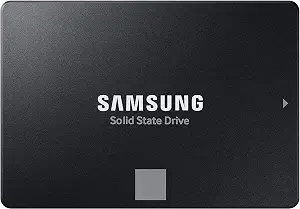
Samsung SSD 870 EVO SATA III 2.5” 2TB
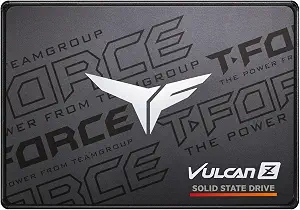
TEAMGROUP T-Force Vulcan Z 1TB SLC Cache 3D NAND TLC 2.5 Inch SATA III Internal Solid State Drive SSD, PC Upgrade (Read/Write Speed up to 550/500 MB/s) T253TZ001T0C101
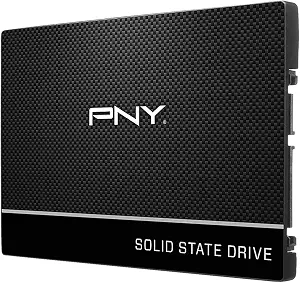
PNY CS900 1TB 2.5" SATA III Internal SSD
Best Sata Ssd Buying Guide — Black Friday Deals 2026
A SATA SSD shortlist is most useful when it starts with the computer and the job you want the drive to do. These options include a 2 TB Samsung, a 1 TB TEAMGROUP drive, and a 1 TB PNY model, all described in a 2.5-inch form factor. Their listed details differ, so check which specifications answer your particular questions rather than assuming one model suits every upgrade. Black Friday can make an offer worth a closer look, but the seasonal label does not establish the price, configuration, or compatibility. Use the product facts to narrow your choices, then verify the exact live listing.
Samsung SSD 870 EVO SATA III 2.5” 2TB
The Samsung SSD 870 EVO SATA III 2.5” 2TB is the Best Overall choice in this guide for shoppers whose main stated priority is having more listed capacity in this selection. Its capacity is 2 TB, and its form factor is 2.5 inches. Those details give a shopper a concrete starting point: consider whether this is the kind of drive and amount of storage you have in mind, then confirm that the computer and the specific listing match your plan. The label is an editorial choice among the products here, not a claim of measured superiority or a market-wide award.
Samsung lists a Serial ATA interface and sequential speeds of up to 560 MB/s for reading and up to 530 MB/s for writing. The phrase “up to” matters: these are qualified specifications, not a promise about the result in every computer or workload. They can help you compare the published information on a shortlist, but do not by themselves establish how quickly a particular collection of applications or files will load or transfer. If speed claims are a priority, read the full listing and consider what you actually do with the drive rather than treating one figure as a complete performance verdict.
The listed compatible devices are Laptop, Mac, and PC. That is useful information to check against your intended system, but it does not replace confirming the computer’s drive requirements and the exact configuration in the listing. A shopper considering this for a laptop, Mac, or PC can begin with those stated categories and then verify the details that matter for the specific device. The available facts do not settle every installation question, so avoid relying on a broad device label as the sole compatibility check.
For everyday planning, the 2 TB capacity may be relevant if you want the drive to hold a substantial collection of files, programs, or other material you choose to keep locally. Whether that amount makes sense depends on your own storage habits; the specification does not tell you how much room your particular files will use. During Black Friday, compare the exact Samsung model and selected capacity in the offer with the product you intended to consider. Do not assume that a seasonal message guarantees a discount or that a different selected option has the same details. This pick makes most sense when its stated capacity, interface, form factor, speed claims, and listed device categories align with your questions.
Key specs
| Capacity | 2 TB |
| Interface | Serial ATA |
| Form factor | 2.5 inches |
| Sequential read speed | Up to 560 MB/s Sequential Read Speed |
| Sequential write speed | Up to 530 MB/s Sequential Write Speed |
| Compatible devices | Laptop, Mac, PC |
TEAMGROUP T-Force Vulcan Z 1TB SLC Cache 3D NAND TLC 2.5 Inch SATA III Internal Solid State Drive SSD, PC Upgrade (Read/Write Speed up to 550/500 MB/s) T253TZ001T0C101
Check Price on Amazon
The TEAMGROUP T-Force Vulcan Z is labeled Best for slim-fit upgrades because its listed design is a standard 2.5-inch, 7mm slim design that fits most laptops and desktop PCs. That makes the stated profile a particularly relevant detail for someone checking a space-conscious upgrade. “Most” is not the same as every computer, so use the description as a reason to investigate fit, not as confirmation that it will suit your own machine. The designation is an editorial choice grounded in the supplied design detail, not proof from comparative testing.
Its stated digital storage capacity is 1024 GB, and its form factor is 2.5 inches. For practical planning, think about what you expect to store on the drive: for example, whether you want it to serve as a place for work files, applications, or a collection of personal material. Those are possible uses, not assurances about how much any one drive can hold after your own files and needs are considered. If your storage plan is uncertain, listing the material you expect to retain can help you decide whether this capacity is a plausible match before you shop.
TEAMGROUP gives read/write speeds of up to 550/500 MB/s. Treat those as qualified product specifications. They help describe what the listing claims, but they do not predict the result in a particular computer or establish that this model will feel faster than another drive in your daily routine. The product description also identifies SLC Cache and 3D NAND TLC; shoppers who specifically want to compare those terms can check the exact listing and decide whether that information is relevant to their priorities. The supplied facts do not establish benefits for a particular workload.
The drive is described as shock and vibration resistant with no moving parts. These are explicit design claims, which may be worth noting if you are comparing the details that matter to your use. They should not be expanded into a guarantee about surviving a particular event or lasting for a particular period. For Black Friday, verify that the offer is for the T-Force Vulcan Z model and the capacity you mean to buy; a seasonal headline alone cannot confirm either. This is a considered option when the stated slim design, listed capacity, and published speed details address the questions you have, while fit in your exact computer remains something to check.
Key specs
| Capacity | Digital Storage Capacity 1024 GB |
| Form factor | Hard Disk Form Factor 2.5 inches |
| Speed | read/write speeds up to 550/500 MB/s |
| Design | Standard 2.5-inch 7mm slim design fits most laptops and desktop PCs. |
| Durability | Shock and vibration resistant with no moving parts. |
PNY CS900 1TB 2.5" SATA III Internal SSD
The PNY CS900 is the Best Budget pick among the products in this guide, an editorial label rather than a claim about the market’s lowest price. Its listed capacity is 1 TB, its interface is SATA, and its form factor is 2.5 inches. These facts give shoppers a concise basis for checking whether the product description matches the sort of internal drive they are seeking. A price cannot be inferred from the label, so assess the live offer on its own terms and compare it with the exact model and capacity you intended to consider.
PNY lists a sequential read speed of up to 535MB/s. This is a read specification only; the supplied facts do not provide a write-speed figure, so there is no basis here for describing one. The “up to” qualification also means the figure should be read as a published product claim, not a guaranteed outcome in a specific device. If read performance is part of your decision, consider the claim alongside your intended use and the requirements of your computer. Avoid turning a single speed line into a conclusion about every aspect of day-to-day performance.
A 1 TB drive can be considered for a plan that involves keeping selected files, programs, or other personal material on one internal drive. The right capacity depends on what you will retain and how you organize your storage, neither of which can be determined from the product facts. A quick inventory of what you want to move or store can make the capacity question more concrete. The product name identifies it as a 2.5-inch SATA III internal SSD, while the listed interface wording specifies SATA; check the actual listing and device requirements if those terms matter to your installation.
The PNY entry gives fewer specification details than some shoppers may want, including no listed write speed in the supplied facts. That is a reason to check the live product information for anything essential to your decision, not a reason to assume a feature is absent. During Black Friday, make sure the offer applies to the PNY CS900 1TB 2.5-inch model rather than relying on a general product-page message or a different selected configuration. This pick is suited to a shopper who wants to investigate a straightforward capacity-and-interface match while keeping the budget question open until the exact offer is visible.
Key specs
| Capacity | Digital Storage Capacity 1 TB |
| Interface | Hard Disk Interface Solid State Connectivity Technology SATA |
| Form factor | Hard Disk Form Factor 2.5 inches |
| Sequential read speed | up to 535MB/s seq. Read |
Which connection and drive shape does your system call for?
Before weighing capacities or speed claims, identify what kind of internal drive your computer accepts. These products are described in the 2.5-inch form factor, and the Samsung and PNY listings identify Serial ATA or SATA interfaces; the TEAMGROUP product is described as a 2.5-inch SATA III drive in its name. That is a useful shortlist, not a substitute for checking the computer’s own requirements. Look up the device or inspect its existing drive and connection details using information specific to your machine. If you cannot establish that the form factor and connection match, pause before choosing based on a seasonal offer.
The TEAMGROUP description adds a standard 2.5-inch, 7mm slim design that fits most laptops and desktop PCs. Its wording can help a shopper whose main question is physical profile, while the qualifier “most” leaves room for system-specific differences. Samsung lists Laptop, Mac, and PC as compatible devices; PNY’s supplied facts identify its interface and form factor. These are different kinds of information, so do not treat one model’s device wording as confirmation for another. On Black Friday, first establish that the intended drive type and listing are right for your particular computer. Then evaluate whether the exact offer is worth considering. This order prevents a seasonal headline from becoming a substitute for a compatibility check.
How much room would make the drive useful?
Capacity is easiest to compare when you give it a practical purpose. The Samsung listing specifies 2 TB, while TEAMGROUP lists 1024 GB and PNY lists 1 TB. Think about the files and programs you expect to keep on the drive, whether you plan to move existing material, and whether your storage needs are likely to change. A rough inventory of current files can reveal whether you are choosing for a focused set of material or a broader collection. The product facts do not show how much space your personal files occupy, so your own estimate is more useful than a guess about what another person needs.
Also decide whether the drive is meant to hold most of your stored material or only a selected portion. That distinction can make a capacity feel appropriate or restrictive without making one size universally right. Keep your intended use in view when comparing the product pages, and confirm that the selected option in the listing has the capacity you planned around. Black Friday offers can draw attention to a particular configuration, but the headline does not answer whether that amount suits your storage habits. Resolve the capacity question first; then compare the exact offer with your shortlist. If your needs remain unclear, note what you would move and what you would leave elsewhere before making a choice.
What can the published speed lines tell you?
The listed speed details are useful for understanding what each product page explicitly claims, but they do not give a complete picture of what your setup will do. Samsung specifies sequential read speeds of up to 560 MB/s and sequential write speeds of up to 530 MB/s. TEAMGROUP lists read/write speeds of up to 550/500 MB/s, and PNY lists a sequential read speed of up to 535MB/s. Keep the “up to” qualification attached to the figures. They are not promises that a particular task will run at that rate, and the supplied PNY details do not state a write-speed figure.
Consider whether you need a read claim, a write claim, or both to inform your choice, and compare like with like where the product facts allow it. Do not fill in a missing specification or infer a real-world result from a number alone. Your computer and intended workload are part of the context, and the provided details do not establish how a drive will behave in a specific system. During Black Friday, resist treating a speed line in a promotional message as proof of a special performance result. Use the published figures as one small part of the decision, alongside fit, capacity, and the details of the exact product configuration.
Which product details deserve a closer look?
Once the connection, fit, and capacity seem plausible, identify any remaining question that would change your decision. TEAMGROUP describes its drive as shock and vibration resistant with no moving parts, and names SLC Cache and 3D NAND TLC. Those details may matter to a shopper who wants to compare the stated design or terminology, but the supplied information does not establish a particular benefit for a specific routine. Samsung lists compatible devices as Laptop, Mac, and PC. PNY’s supplied facts specify capacity, SATA connectivity, form factor, and a sequential read claim. Notice what each listing actually says, and avoid assuming that an unlisted detail is either present or absent.
A practical way to shop is to write down the feature that would resolve your shortlist: stated capacity, the slim-design wording, a device category, or a particular published speed claim. Then check whether the exact model page answers that question. If an important installation or product detail is not clear, seek confirmation from the relevant product information before purchasing rather than treating a broad description as a guarantee. Black Friday is a useful time to make that final check because a shopper may be comparing offers and selected variants. Keep the evidence and the question together: a detail only helps when it applies to the exact product you are considering.
How should you evaluate a Black Friday offer?
Treat Black Friday as a reason to compare the offer carefully, not as evidence that a deal is active or worthwhile. Confirm the exact model name, capacity, form factor, interface, and selected option shown in the live listing. Make sure you are comparing the product you meant to shortlist rather than relying on a general banner or an adjacent configuration. The product records here provide no current prices, discount amounts, availability, or seller terms, so those details must be assessed on the listing at the time you shop.
Next, compare the offer with your priorities rather than letting the seasonal message decide for you. If capacity is the main question, check the selected capacity. If physical profile matters, review the stated design and your device’s requirements. If a speed claim matters, keep its wording and qualifications intact. A simple note with your must-haves can help separate a relevant offer from one that merely draws attention. If a listing does not answer an essential question, the sensible decision may be to wait for clarity instead of guessing. The offer is one part of the purchase; the exact configuration and its fit with your plan remain central.
Make your Black Friday choice
A good SATA SSD choice is the one whose stated details answer your own upgrade questions. Samsung’s listed 2 TB capacity, TEAMGROUP’s slim-design description, and PNY’s 1 TB capacity and SATA interface each offer different points to investigate, without establishing a universal winner. Confirm the computer’s requirements, decide what you intend to store, and read speed claims with their qualifications. Then check the exact model and selected option before acting on a Black Friday offer. A careful match is more useful than a seasonal headline on its own.