Brother DCP-L2640DW Wireless Compact Monochrome Multi-Function Printer
Canon Color imageCLASS MF753Cdw II – All-in-One Color Duplex Laser Printer
Best Laser Printer Buying Guide — Black Friday Deals 2026
A laser printer can be a focused tool for routine monochrome pages, a hub for handling originals, or a way to bring color and several document tasks into one device. The right choice depends on which of those jobs matters in your space—not on a Black Friday headline alone. This guide compares three specific models through their stated output, paper handling and connections. Use those details to decide what you need, then check that the live offer is for the exact model and configuration you intended. No listed offer should be assumed to include a particular discount or promotion.
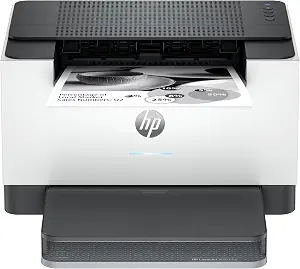
HP LaserJet M207dw
Best Budget is the editorial label for the HP LaserJet M207dw in this guide. It is a fit-based distinction among the listed options, not a conclusion about market-wide pricing or a measured comparison. Its stated role is straightforward: a laser printer with black-and-white output. The listed single-sided speed is up to 28 black-and-white pages per minute, and automatic duplex printing is standard. Those details make it worth considering when your regular work is monochrome documents and you want automatic two-sided printing, rather than a color all-in-one workflow.
The distinction between single-sided speed and duplex printing matters when you picture your everyday jobs. The speed figure is explicitly for single-sided black-and-white pages; it should not be read as a guaranteed rate for every kind of document or for duplex jobs. Automatic duplex is separately listed as standard, which can suit work where you want printing on both sides without treating manual page turning as part of the plan. If most of your pages are one-sided, the speed specification may be more relevant to your comparison; if two-sided output is routine, give the duplex detail its own weight.
Connection planning is another practical question. The listed connections are Ethernet and USB. Decide which of those fits the place and arrangement you have in mind, and confirm any requirements beyond those stated in the listing before purchase. The dimensions are 11"D x 13.98"W x 8.07"H. Compare that exact footprint with the surface and surrounding space you intend to use; do not rely on a general impression of how compact a printer might be. The facts provided do not specify wireless connectivity, so verify the live product details if wireless is essential to your setup.
During Black Friday shopping, use the model name and M207dw identifier to distinguish the exact printer you mean from other listings or configurations. Check the offer details, listed contents, and toner information on the live page rather than assuming that a headline describes the package. The supplied facts here do not identify compatible toner, so confirm that information if it is part of your buying decision. The M207dw is a focused choice for shoppers who want stated black-and-white laser printing, automatic duplex, Ethernet and USB, and a listed single-sided speed. If you need color or the feeder and functions specified for another model, compare those options directly rather than stretching this printer beyond its stated role.
Key specs
| Printer type | Laser |
| Output | Black and white |
| Print speed | Up to 28 black-and-white pages per minute single-sided |
| Duplex printing | Automatic (standard) |
| Connectivity | Ethernet, USB |
| Dimensions | 11"D x 13.98"W x 8.07"H |
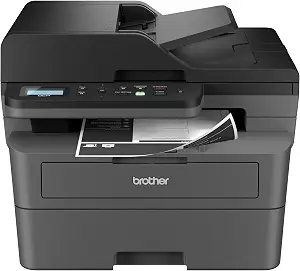
Brother DCP-L2640DW Wireless Compact Monochrome Multi-Function Printer
Check Price on Amazon
Best Overall is the editorial label for the Brother DCP-L2640DW Wireless Compact Monochrome Multi-Function Printer among the three models here. It reflects a useful combination of stated details for shoppers whose routine includes both printing and working with paper originals: print speeds up to 36 ppm, automatic duplex, and a 50-page auto document feeder. These specifications make it a candidate to investigate if your usual work involves recurring page output as well as batches of originals. The label is a guide to fit, not a claim of measured superiority over other printers.
Consider what the feeder would change in your own workflow. If you often need to process a stack of originals, its stated 50-page capacity gives you a concrete detail to compare with the size of the batches you expect to handle. The supplied information identifies an auto document feeder, but does not describe scanning speed, feeder behavior for particular paper types, or the outcome of any specific task. Check those details in the exact listing if they matter to you. Automatic duplex printing is another useful point to weigh when you regularly want printing on both sides; it describes printing, not a claim about how originals are handled.
The connection choices may help you assess whether the printer fits your planned setup. It has built-in dual-band wireless at 2.4GHz / 5GHz and Ethernet. Think through whether you expect to use a wireless or wired connection in the space where it will sit, and confirm that your intended arrangement is supported by the live listing. The stated maximum media size is 8.5 x 14 inch, so compare that boundary with the paper formats you actually use rather than assuming every job will fit. The product name identifies it as monochrome; the provided facts do not describe color output.
For a Black Friday comparison, check the exact DCP-L2640DW model, the offered configuration, and the listed compatible toner: TN830 and TN830XL. Do not assume a deal headline tells you which toner or configuration is included; verify the offer details directly. The stated speed is up to 36 ppm, so treat it as a specification to compare rather than a promise about every document or setting. Choose this model if its combination of feeder, duplex printing, wireless and Ethernet connections, and monochrome output lines up with your regular work. If your priority is a different output type or a simpler print-only role, compare the other models’ stated functions before deciding.
Key specs
| Print speed | print speeds up to 36 ppm(2) |
| Document feeder | A 50-page auto document feeder(4) |
| Wireless | built-in dual-band wireless (2.4GHz / 5GHz) |
| Wired connections | Ethernet |
| Duplex | Auto-Duplex |
| Maximum media size | 8.5 x 14 inch |
| Compatible toner | TN830, TN830XL |
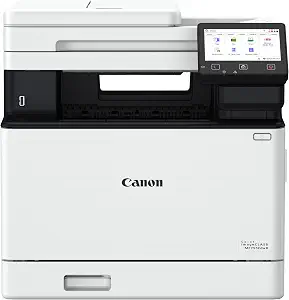
Canon Color imageCLASS MF753Cdw II – All-in-One Color Duplex Laser Printer
Check Price on Amazon
Best for color all-in-one workflows is the editorial label for the Canon Color imageCLASS MF753Cdw II – All-in-One Color Duplex Laser Printer. The reason is visible in its stated functions and output: print, scan, copy, and fax, with color identified in the product name. This label describes a potential match for a shopper who wants several document tasks and color in one device. It is not a claim that the printer is better than other models overall or that it has been evaluated in a test.
Map those functions to the jobs you actually expect to do. If your regular documents include printing as well as scanning, copying, or faxing, the listed all-in-one functions give you a direct checklist for deciding whether this model belongs on your shortlist. The specified print speed is 35 pages per minute, and print resolution is 1200 x 1200 dpi. These are useful details to compare against your priorities, but they do not guarantee a particular result for every file, setting, or task. Automatic duplex printing is also listed, which may matter when two-sided printed output is part of your routine.
The connectivity options are Ethernet, USB, and Wi-Fi, offering several stated ways to plan a connection. Its maximum sheet capacity is 250. Consider whether that capacity suits the way you expect to load paper, while checking the exact listing for any details you need about paper handling beyond the stated figure. The compatible toner is Canon Genuine Toner 069. That makes toner identification a specific part of your comparison: look for the stated compatible family and verify the live offer’s configuration rather than assuming supplies are included.
For Black Friday, compare the exact MF753Cdw II listing and its configuration with your intended jobs. A color all-in-one may be more relevant than a monochrome printer when color output and the listed scan, copy, and fax functions are central to your workflow; if those functions are not useful to you, decide whether they justify choosing this model over a more focused option. Check the offer’s details, the specified toner, and any configuration information on the live page. Do not infer a discount or included accessories from a seasonal label. This model is the most direct fit here for shoppers whose must-haves include color and the stated range of document functions.
Key specs
| Functions | Print, scan, copy, fax |
| Print speed | 35 pages_per_minute |
| Print resolution | 1200 x 1200 dpi |
| Duplex printing | Duplex Automatic |
| Connectivity | Ethernet, USB, Wi-Fi |
| Maximum sheet capacity | 250 |
| Compatible toner | Canon Genuine Toner 069 |
Which pages will you actually send through it?
Start by describing the work rather than choosing a printer category first. A household printing mostly black-and-white pages can compare the HP LaserJet M207dw’s black-and-white output with the Brother DCP-L2640DW’s monochrome identity. If color is part of the requirement, the Canon Color imageCLASS MF753Cdw II is the model here identified as color. That distinction is more useful than a general preference for one brand or a seasonal deal label.
Next, separate routine output from occasional tasks. The Brother’s stated 50-page auto document feeder may be relevant if handling batches of originals is part of your regular process. The Canon lists print, scan, copy, and fax functions, which may align with a broader set of recurring document jobs. The HP’s provided details center on black-and-white printing, speed, duplex, and wired connections. These are different profiles; choose by the jobs you can name, not by assuming that every printer needs to cover every possible task.
Before opening Black Friday listings, write down the functions you genuinely need and those you would merely tolerate. This helps keep a low headline price from pulling you toward a device whose stated output or workflow does not fit. It also prevents paying attention to a feature simply because it sounds impressive. Compare the live offer only after you can explain why its model belongs on your shortlist.
When does two-sided output change the decision?
Automatic duplex printing is listed for all three models, but its value depends on how your documents are produced. If two-sided pages are common in your work, make this a clear requirement and confirm that the exact model in the offer is the one you evaluated. The HP specifies automatic duplex as standard, the Brother lists Auto-Duplex, and the Canon lists Duplex Automatic. These statements point to the same decision area, while retaining each product’s supplied wording.
Speed figures need similar context. The HP’s up to 28 black-and-white pages per minute is specifically described as single-sided. The Brother lists print speeds up to 36 ppm, and the Canon lists 35 pages per minute. Do not turn those figures into a guarantee for a particular job or assume that different stated conditions are identical. If speed matters, compare the exact wording and think about your real mix of pages, including whether you expect duplex output.
A useful Black Friday question is not simply which figure looks largest, but which specification describes the work you do. For mostly occasional pages, other requirements may matter more. For frequent output, the speed listed for the model may help you narrow choices, while duplex capability and other needs remain part of the same decision. Treat the published figures as comparison details, not predictions of your own results.
Will your originals and paper formats fit the plan?
Printed sheets and paper originals are separate parts of a workflow. The Brother’s 50-page auto document feeder is the explicit feeder detail among the supplied product facts. If you regularly deal with batches, consider whether that stated capacity is relevant to the work you handle. The Canon lists scan, copy, and fax functions, but the supplied facts do not give a feeder capacity. Avoid assuming that a particular original-handling feature is included; check the live listing for any requirement that is not specified here.
Paper size can be just as decisive as function. The Brother lists a maximum media size of 8.5 x 14 inch. Compare that exact limit with the paper formats your work calls for. The Canon’s maximum sheet capacity is 250, which is a capacity detail rather than a stated maximum media size. These measurements answer different questions, so do not treat one as a substitute for the other. The provided HP details do not state a media-size limit.
During Black Friday, verify the exact product page for any paper requirement you have not resolved from the listed facts. If a particular format, capacity, or original-handling behavior is essential, do not infer it from a product title or from another model’s specifications. Matching the machine to your actual documents is more dependable than deciding from a broad category label.
What connection and space can you accommodate?
Choose a printer location and connection plan together. The HP lists Ethernet and USB; the Brother lists Ethernet and built-in dual-band wireless at 2.4GHz / 5GHz; the Canon lists Ethernet, USB, and Wi-Fi. Match those stated options to the way you intend to connect, and check any device or network requirements on the live product page. A list of connections does not by itself establish every detail of a particular setup.
The HP’s dimensions are 11"D x 13.98"W x 8.07"H. Use that exact notation when checking the available space, including whether the intended spot can accommodate the listed dimensions. Dimensions for the other two models are not included in the supplied facts, so compare them on their live listings if placement is a deciding factor. Do not assume that a product described as compact will fit a specific shelf or work area without checking the measurements.
A Black Friday offer is only useful if the model can work where you plan to put it. Confirm the exact model, its stated connection options, and the measurements that matter to your location before checkout. If you need a connection or dimension that is not provided here, use the live listing to resolve that question rather than treating missing information as confirmation.
How should the live offer change your shortlist?
Compare the exact model identifier and configuration shown in each Black Friday listing. The product name should match the device you intend to buy, not simply the broad category or a similar-looking model. Then check what the offer says about its configuration and included items. The provided information does not establish current prices, discounts, stock, or package contents, so none should be assumed from a seasonal banner.
Supplies deserve their own check. The Brother lists compatible toner TN830 and TN830XL; the Canon lists Canon Genuine Toner 069. No compatible toner is specified in the facts for the HP. If toner is part of your decision, verify the exact information for that model and the live configuration. A listed compatible toner is not evidence that toner is included with a particular offer.
Use a short comparison list: required output, needed functions, connection, paper or feeder requirement, and any supply detail you want to verify. That makes it easier to compare offers without letting an advertised deal redefine your needs. Revisit the model page before purchasing, especially when the offer title or configuration differs from the one you first considered.
Make your Black Friday choice
The best laser printer for your situation is the one whose stated role matches your real documents and setup. The Brother is a strong starting point for monochrome printing with an auto document feeder; the HP suits a focused black-and-white print brief; and the Canon is aimed at color and its listed all-in-one functions. Those are fit-based distinctions, not test results. As Black Friday approaches or listings change, compare the exact model, configuration, connections, paper needs, and toner details on the live offer. Make the decision from verified fit—not from an assumed promotion.